A 1x1m pond is a fantastic addition to a garden. Even at that size, it can become a thriving “micro-oasis” for frogs, dragonflies, and birds. Because small ponds fluctuate in temperature and water levels faster than large ones, they need a slightly more attentive hand.
Super Quick Summery
- Sun/Shade: Aim for about 50% of the pond to be in the shade during the hottest part of the day.
- Plant Ratio: Ensure you have Oxygenators (underwater), Floating Plants (shade), and Marginals (habitats).
- Water Source: Use a water butt! Rainwater is the lifeblood of a healthy small pond.
Troubleshooting & Tips
- Pests (Mosquitoes) – Not usually an issue if you have a healthy population of boatmen or newts—they eat the larvae!
- Green Water – Usually caused by too much sunlight or tap water. Add more floating plants (like Water Lilies) to provide shade.
- “Nutrient Spike” (Eutrophication) – This is the number one killer of pond health. When too many nutrients (nitrates and phosphates) enter the water, they act as fertilizer for algae rather than healthy plants. It’s caused by sing tap water to fill the pond, over-fertilizing nearby garden beds, or allowing too many autumn leaves to rot at the bottom. This can result in a “Pea soup” green water or thick blankets of stringy weed that choke out oxygen and light, eventually suffocating submerged life.
- Temperature Swings – because the volume of water is low, a 1x1m pond heats up and cools down very rapidly. The worst swings happen due to your pond being too shallow (less than 60cm deep) or placed in a spot with 100% direct midday sun. Warm water holds significantly less oxygen than cold water. During a hot UK summer, your pond creatures can literally suffocate. High temperatures also accelerate the growth of harmful bacteria.
- Lack of “Exit Ramps” – while frogs can jump in, they (and hedgehogs who fall in while drinking) often can’t get out. If a pond becomes a “death trap,” you’ll find drowned wildlife, which then rots and ruins the water quality.
- New Pond Syndrome – Don’t add too much life too early as the water may not be ready to support life. Ammonia levels can spike. If you add fish to a small 1x1m pond, their waste builds up faster than the ecosystem can process it. However, we do not recommend adding fish to a pond this size as they eat the life you are trying to attract.
- Oxygen Depletion – Due to overcrowding with plants. While plants produce oxygen during the day via photosynthesis, they consume oxygen at night. If the pond is packed tight with plants and has no surface movement, oxygen levels can drop to near zero before dawn, killing off more sensitive larvae and nymphs
Caring for your pond in Summer (June – August)
The main challenges here are evaporation and heat. A small 1x1m pond can overheat quickly, which reduces oxygen.
- Topping up your pond – take a little and often approach.
- Algae & Duckweed: Use a stick to twirl out “blanket weed” (green hair-like algae). Leave it on the edge of the pond for 24 hours so tiny critters can crawl back into the water before you compost it. You need to remove it because it harms ponds by creating thick, slimy mats that deplete oxygen, especially at night, which can suffocate fish and beneficial plants.
Autumn (September – November)
The goal is to prevent the pond from becoming a “nutrient soup” caused by rotting debris.
- This is crucial for small ponds. Net the surface regularly or install a fine mesh cover temporarily to catch falling leaves. Decaying leaves release gases that can be toxic to hibernating frogs.
- Trim any plants growing too much or becoming too dominate – diversity is key.
- Remove silt – If the bottom has a thick layer of sludge, remove half of it this year. Never remove all of it at once, as it’s full of larvae and beneficial bacteria.
Winter (December – February)
Life slows down, but the pond still needs to “breathe.”
- Never smash ice with a hammer (Even though this may be tempting); the shockwaves can kill fish and amphibians. Instead, melt a hole by resting a saucepan of hot water on the surface. A hole in the ice allows toxic gases to escape and oxygen to enter.
- Don’t Tidy Too Much: Leave some long grass or log piles near the pond. Frogs often hibernate in the damp soil or greenery nearby rather than in the water itself.
Spring (March – May)
Spring is the most active time for pond life. This is when you’ll see frogspawn and the first signs of plant growth.
- Plant Maintenance: Thin out oxygenating plants if they’ve taken over. Aim for about 50% surface cover.
- Look for frogspawn, but do not move it between ponds, as this can spread diseases like Ranavirus.
- Top of water levels – If we have a dry spring, the level might drop. Always try to use rainwater from a water butt. Tap water contains nitrates and phosphates that trigger algae blooms.
Using your Seeds
Every pond you purchase comes with a selection of seeds to attract pollinating insects such as bees and butterflies to your area. These have a positive impact on your pond and your local area you help pollinators to thrive!
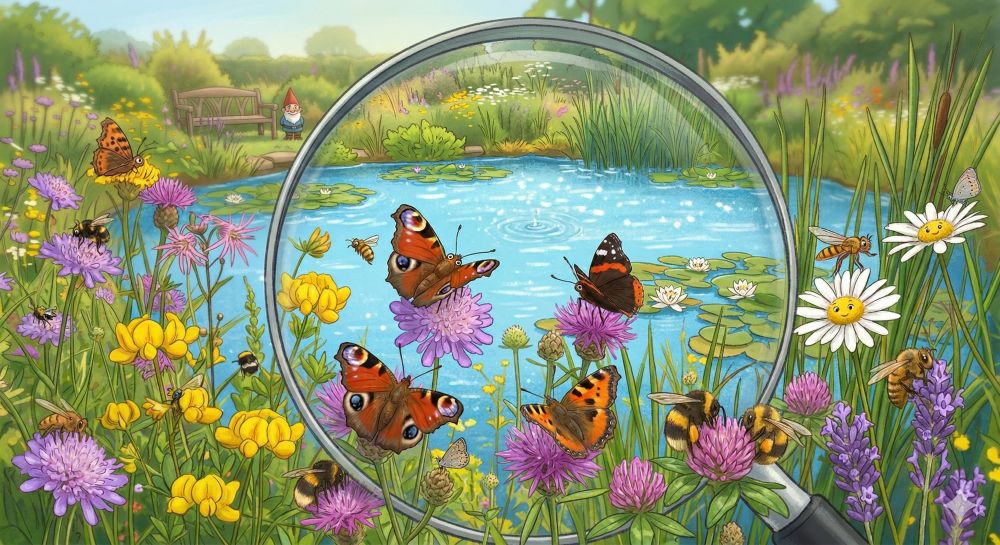
Create a sustainable seed nursery
Using the tube packaging our ponds come in, you can cut this down to size and plant seeds within the tube. We recommend that an adult parent or guardian performs this step.
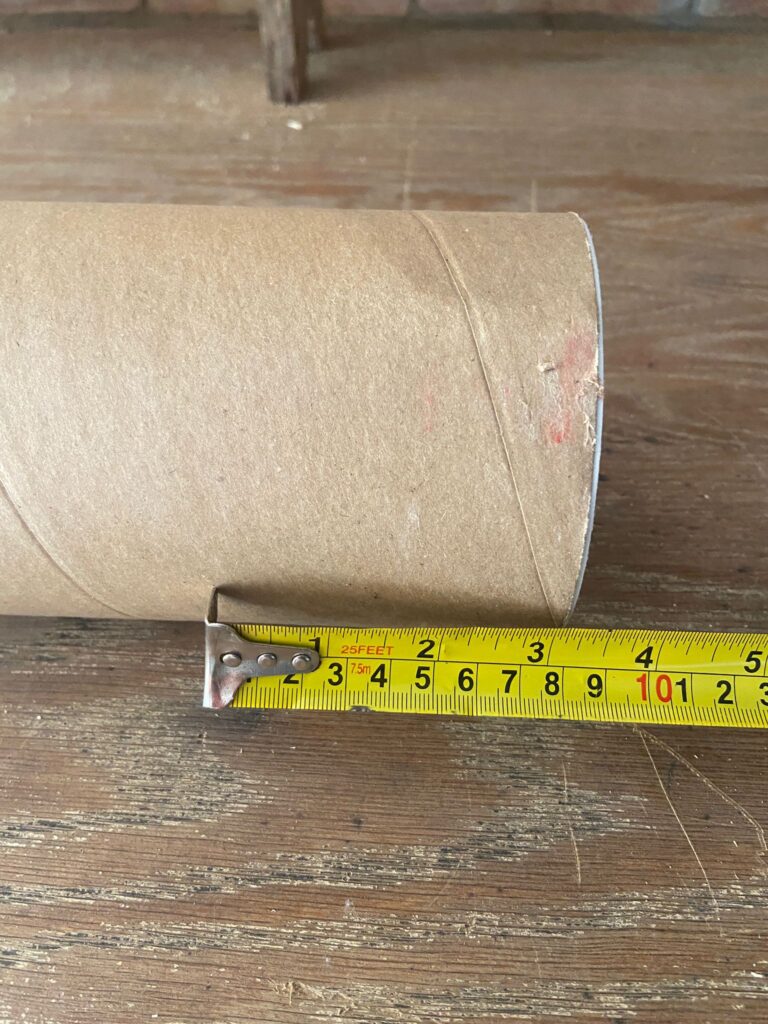
Measure the size
Measure how high you would like your seed nurseries to be. I went for 8cm which allows for 8 sustainable plant pots.
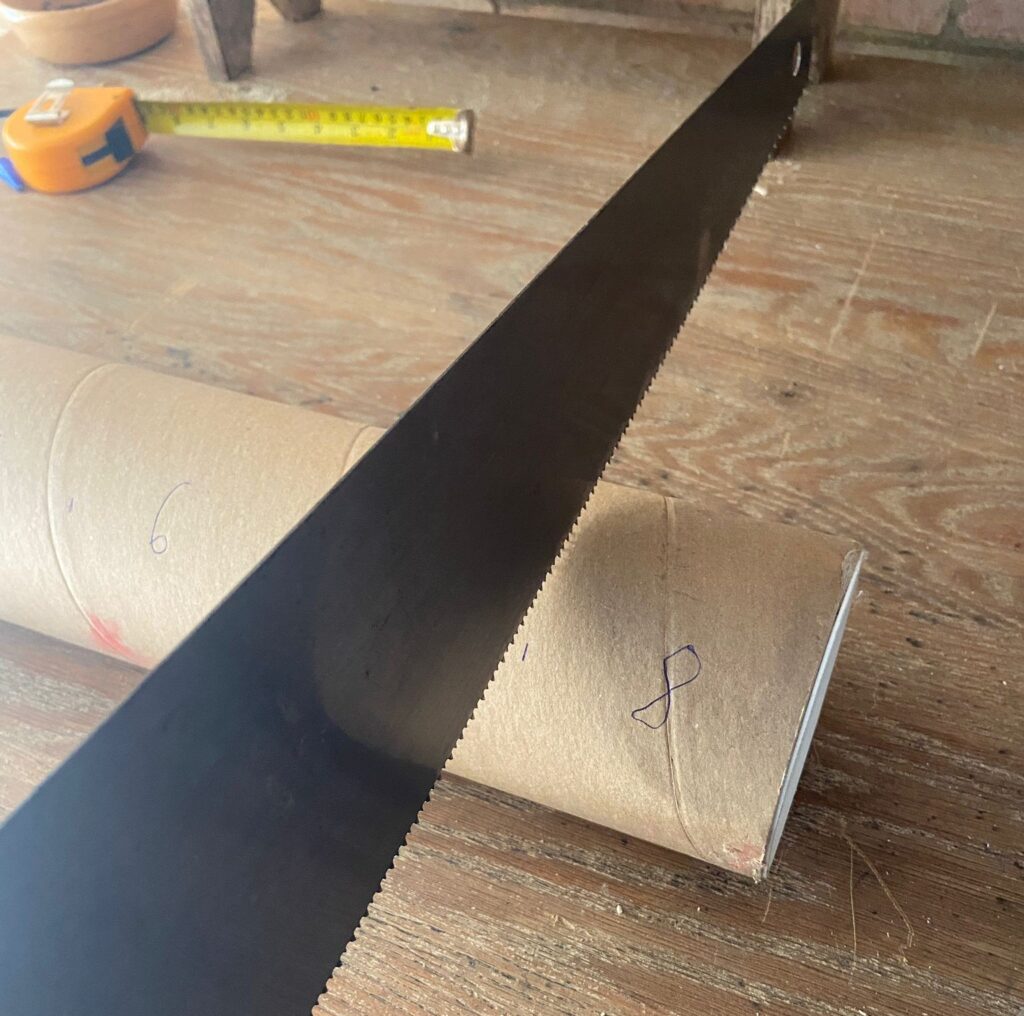
Cut
Cut your tubes using a very sharp saw. Mark using a pen to ensure you cut straight.
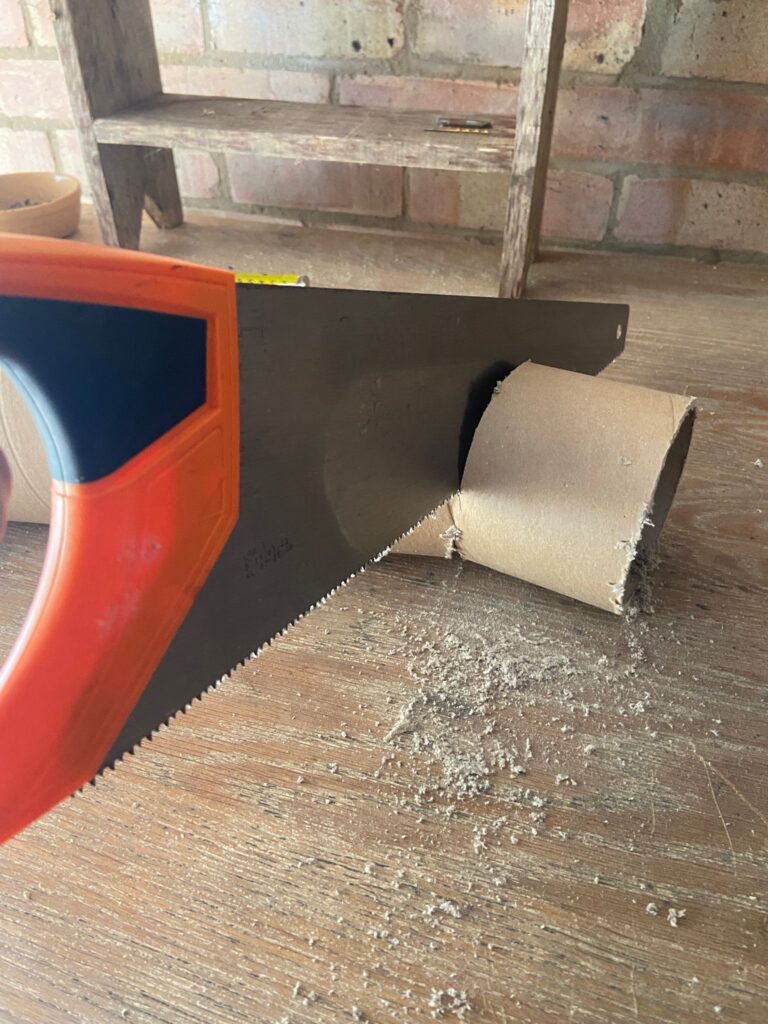
Roll Tube
Role the tube backwards as you cut. This makes it a bit easier.
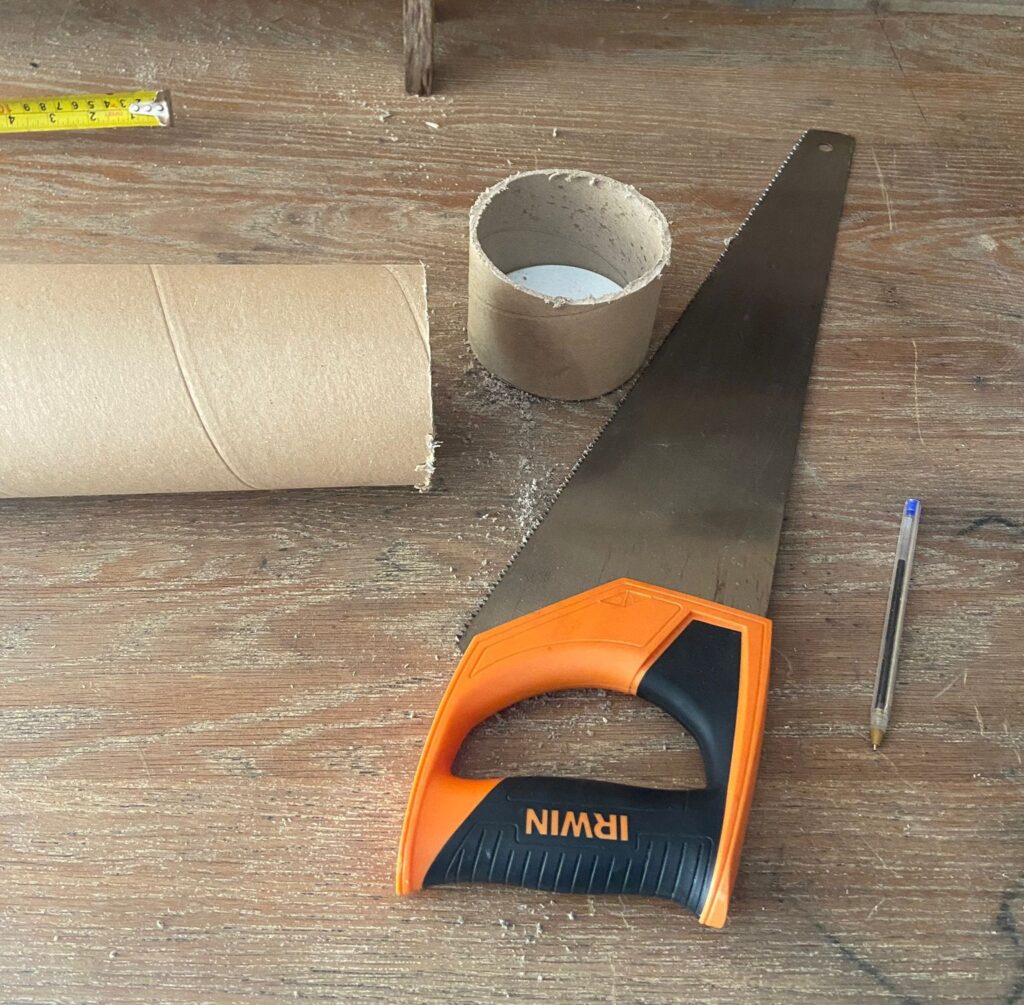
Cut all tubes
Cut all the tubes to the size you require.
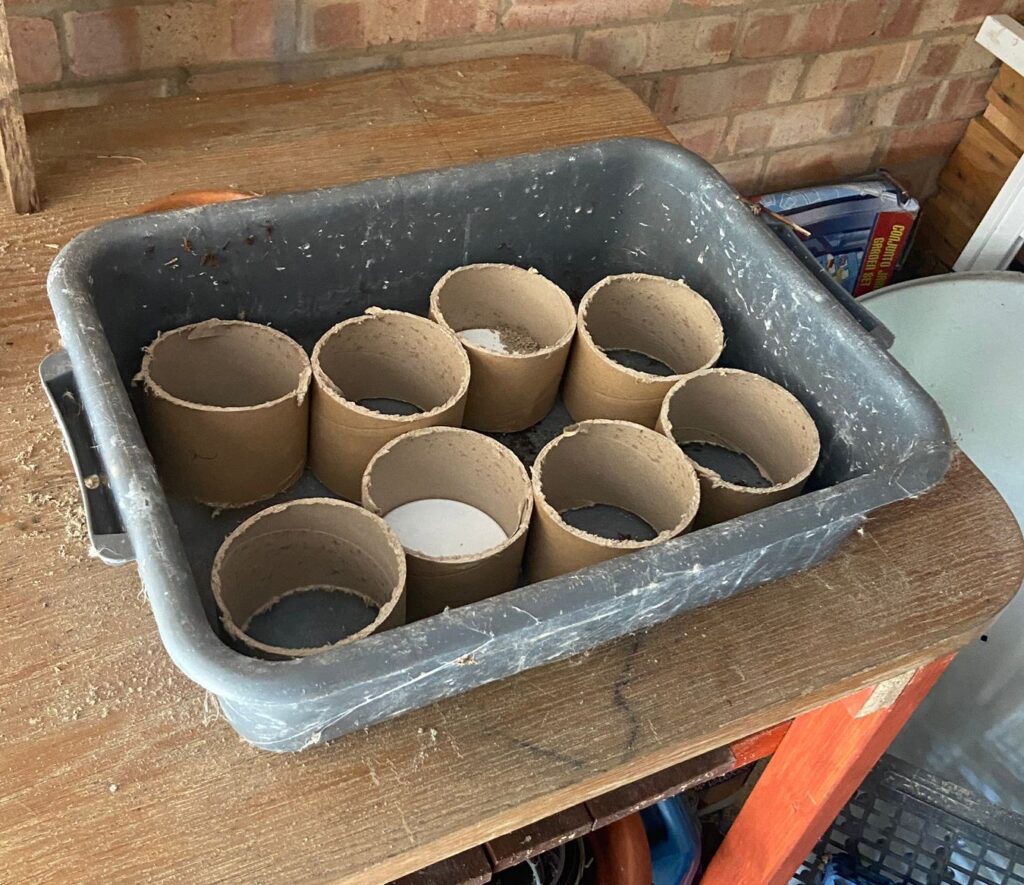
Place in tray
Place your seed tubes in a tray to catch any water or extra soil.
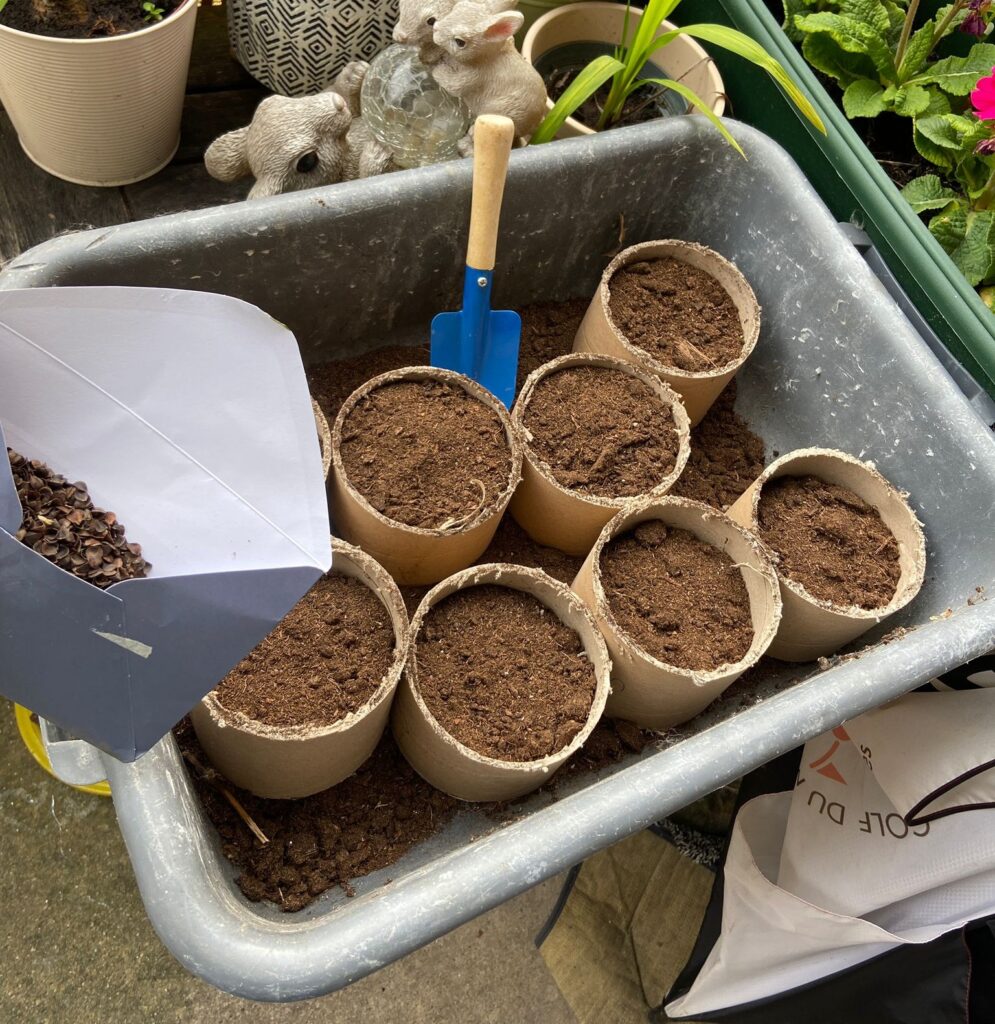
Fill with soil
Fill your tubes with soil either form the garden or a soil bag from your local garden centre.
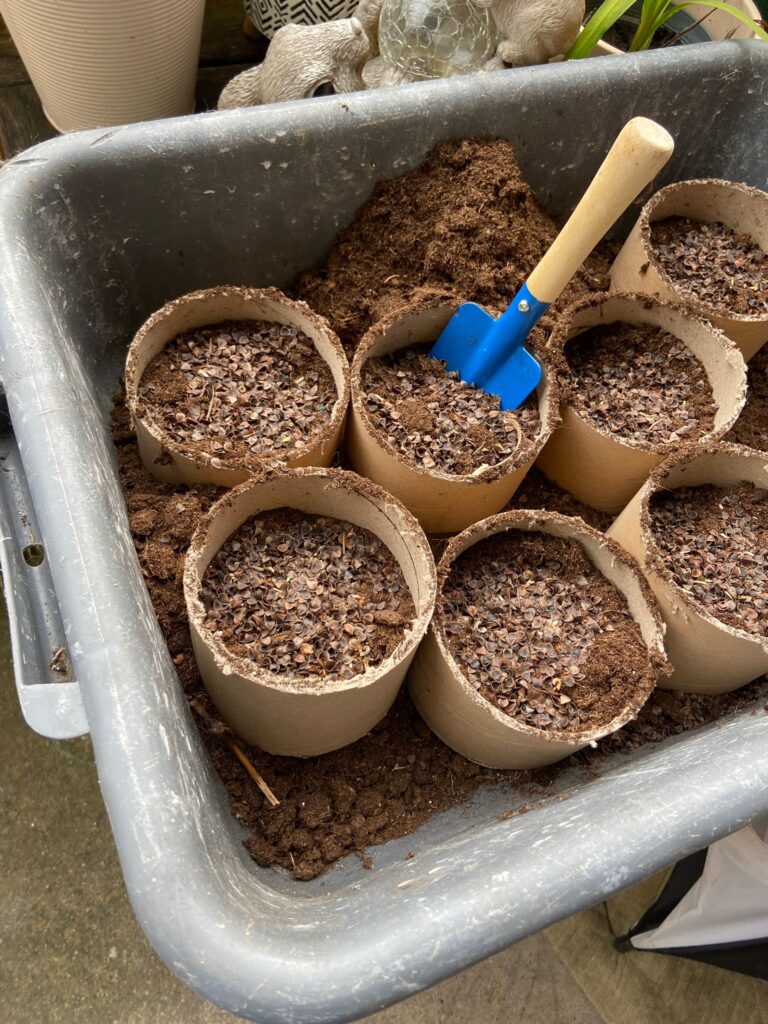
Plant Seeds
Plant the seeds provided in your pond in a tube or any seeds of your choice if you want to grow something else.
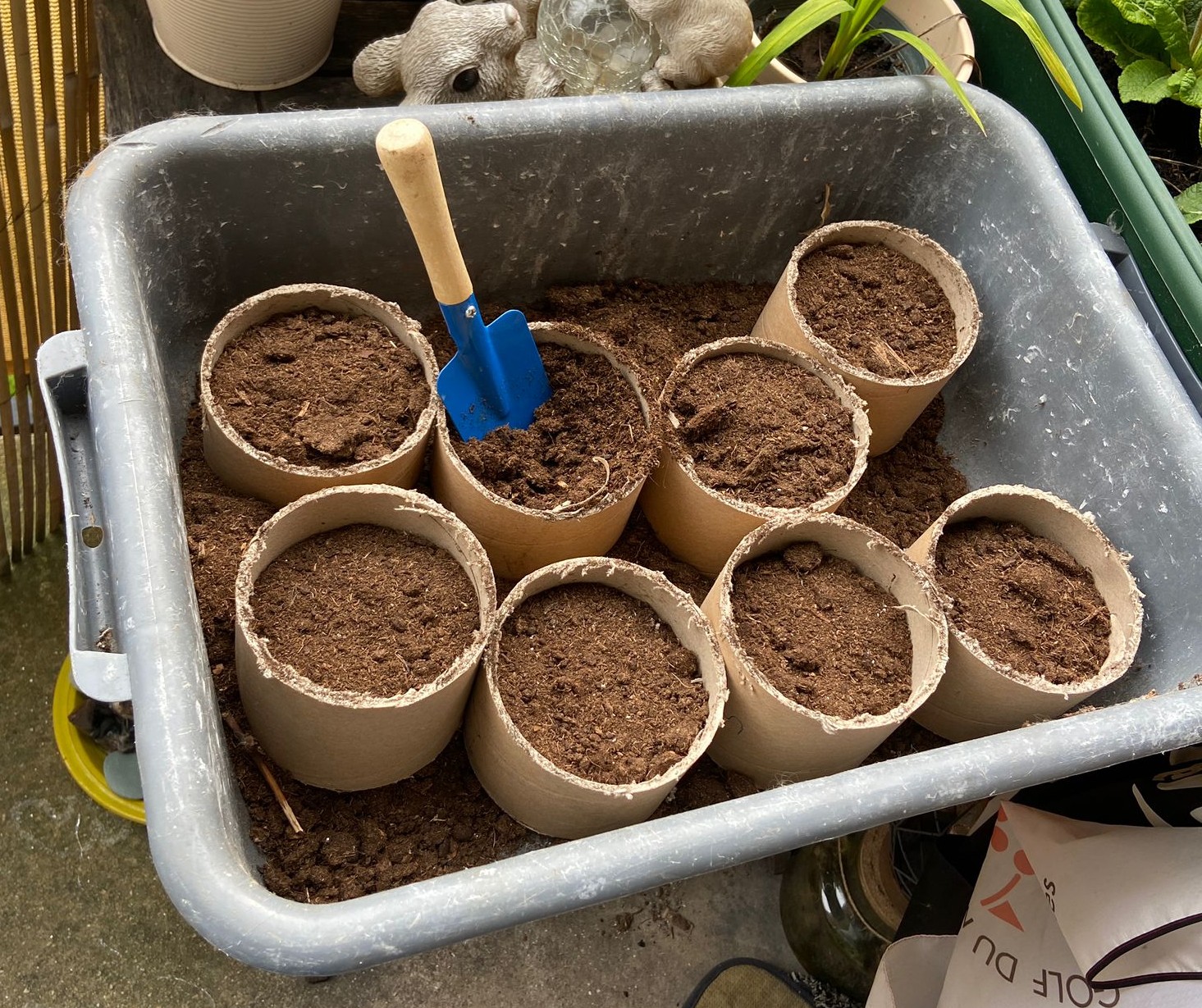
Water & Wait
Water your seed tubes lightly to kick start the seed growing process. I have left my tubes outside but will still water from time to time.