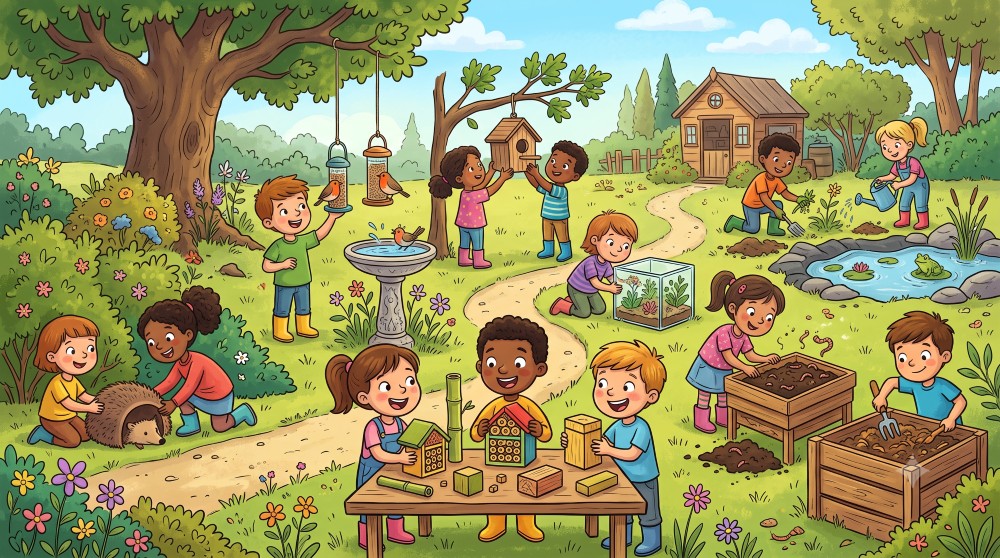
Empowering children to play and learn outside.
We sell and recommend products designed to entertain children in all their outdoor endeavours.
12 activities for all 12 months!
Looking for fun ways to get your children off screens and playing outside?
Our month-by-month UK garden activity guide is packed with engaging, outdoor kids’ activities designed to reconnect your family with nature all year round. From building winter bird feeders and autumn hedgehog homes to planting a summer sensory garden, we make outdoor play easy and exciting.
Discover age-appropriate gardening projects, wildlife crafts, and nature-based activities that boost wellbeing and encourage independent outdoor play. Explore our seasonal calendar today to inspire your children to explore the great outdoors, learn about British wildlife, and fall in love with the natural world!
January: Crafting Bird Feeders
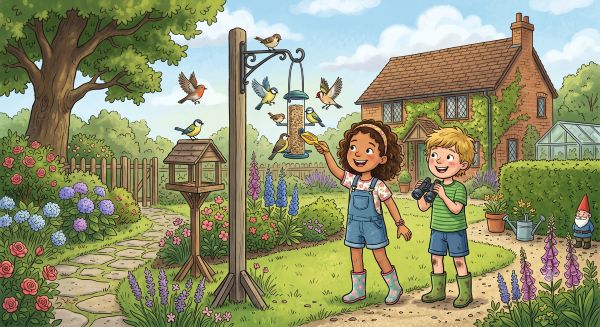
The Activity: Make homemade bird feeders using pinecones or orange halves filled with a mix of suet (or lard) and birdseed.
Why January? Mid-winter is when British garden birds struggle most to find natural food. Hanging these treats on bare tree branches gives kids a front-row seat to watch robins, bluetits, and finches visit the garden.
February: Building Bird Homes (Nest Boxes)
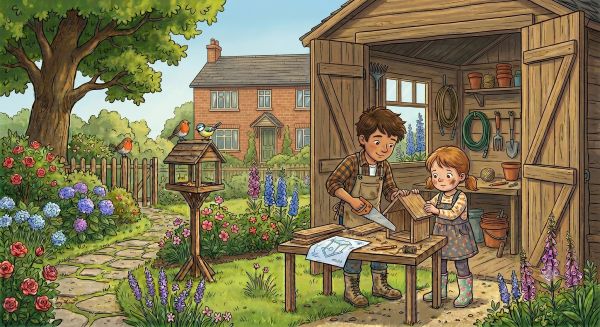
The Activity: Assemble or decorate a wooden bird nesting box and mount it to a tree or wall.
Why February? Valentine’s Day (February 14th) is traditionally known in the UK as the time birds start scouting for nesting sites. Putting boxes up now ensures they are ready for the spring breeding season.
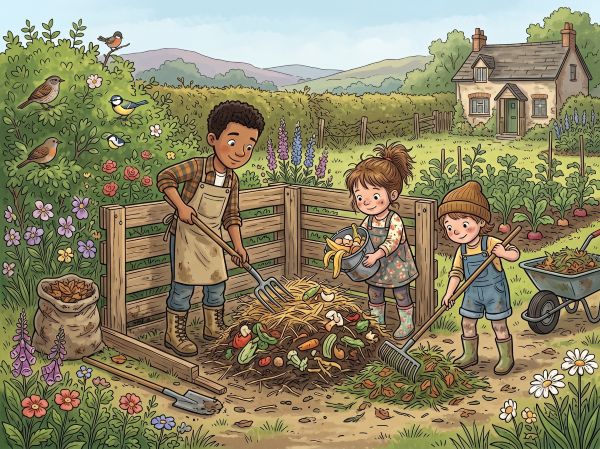
March: Starting a Composting Adventure
The Activity: Set up a kid-friendly compost bin or heap. Teach children about “greens” (vegetable peelings, grass) and “browns” (twigs, shredded cardboard).
Why March? As spring kicks in, garden maintenance resumes and there is plenty of garden waste. March is the perfect time to start a pile that will heat up over the summer.
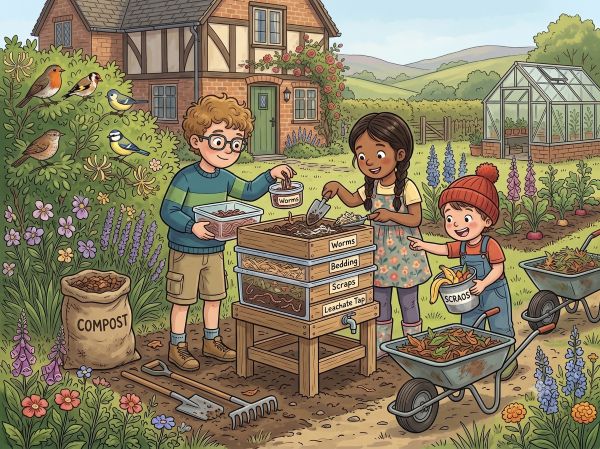
April: Setting Up a Worm Farm (Vermicomposting)
The Activity: Create a layered worm farm in a clear plastic container using soil, sand, and shredded newspaper, then go on a hunt to collect earthworms.
Why April? The soil is warming up and damp, making it prime time for finding worms. The clear sides allow kids to watch the worms mix the layers and create nutrient-rich soil.
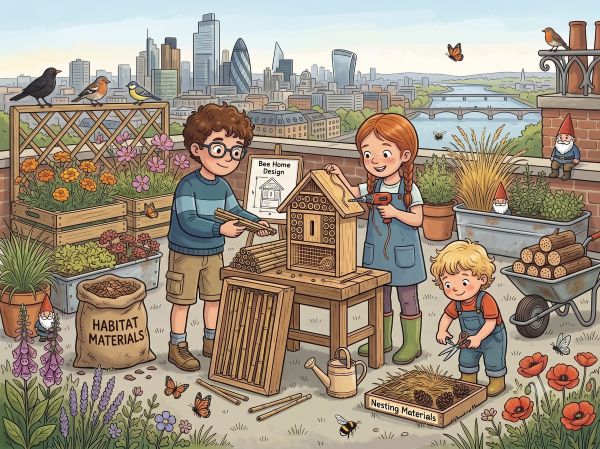
May: Building Solitary Bee Homes
The Activity: Bundle hollow bamboo canes or drill holes into blocks of wood to create a “Bee Hotel” for solitary bees.
Why May? May is peak activity time for British pollinators. Solitary bees (like Mason bees) do not live in hives and will actively look for these small tubes to lay their eggs in late spring.
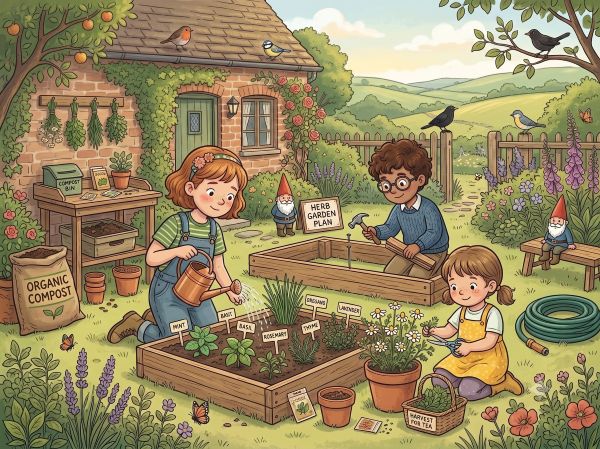
June: Planting a Sensory Pizza & Salad Garden
The Activity: An addition to your list: Give children their own pot or patch to plant quick-growing salad leaves, cherry tomatoes, and “pizza herbs” like basil and oregano.
Why June? The risk of UK frost has entirely passed, and the long daylight hours mean seeds will sprout rapidly. Kids get fast rewards and can literally “eat their project” by mid-summer.
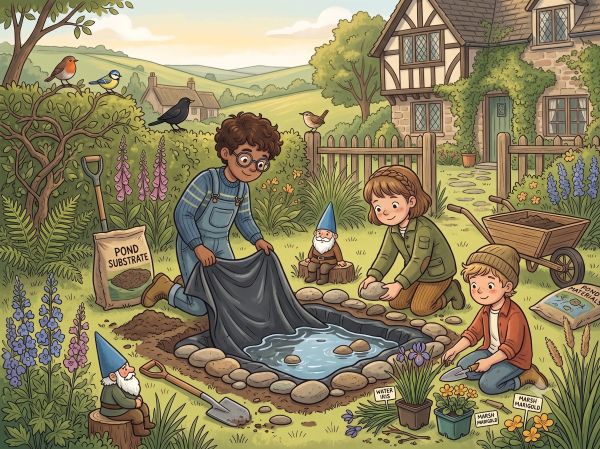
July: Building a Wildlife Pond Kit
The Activity: Use a pre-formed tub or pond kit to create a mini garden pond, safely surrounded by pebbles and native plants.
Why July? Summer is a great time for water play. A mini pond quickly attracts dragonflies, damselflies, and birds looking to cool down. (Note: Always ensure supervision around open water).
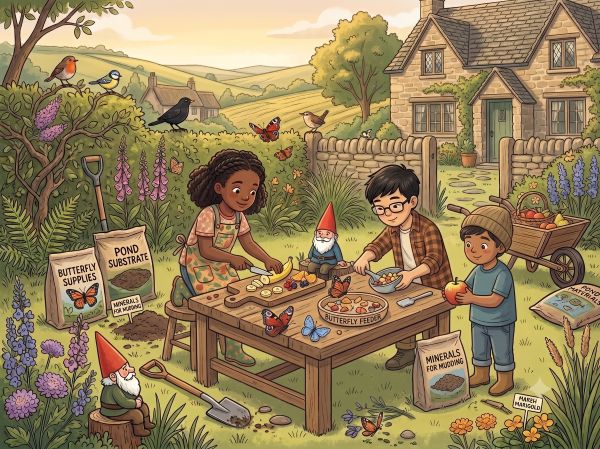
August: Creating a Butterfly Mud Bath & Fruit Buffet
The Activity: An addition to your list: Fill a shallow bird bath or terracotta saucer with mud and water (for vital minerals), and place overripe fruit (like bananas or plums) on a platform.
Why August? August is peak butterfly season in the UK. Species like Red Admirals and Peacocks flock to fermenting fruit, providing an incredible opportunity for a backyard butterfly count.
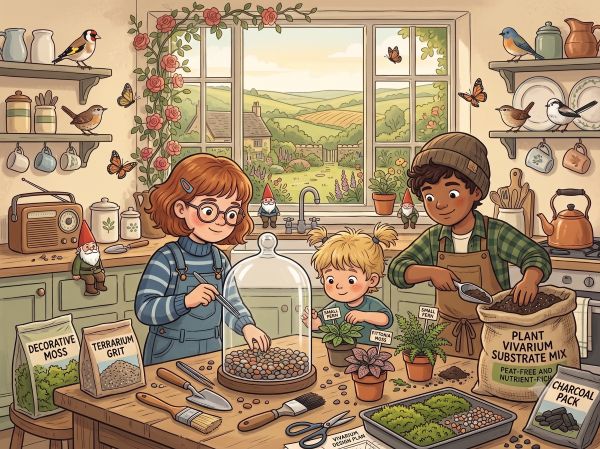
September: Crafting a Plant Vivarium / Fairy Garden
The Activity: Create a miniature indoor/outdoor landscape in a glass jar or large pot using moss, small ferns, succulents, and decorative pebbles.
Why September? As the main growing season winds down and the evening weather cools, this bridge activity allows kids to transition their gardening creativity into a portable, controllable environment.
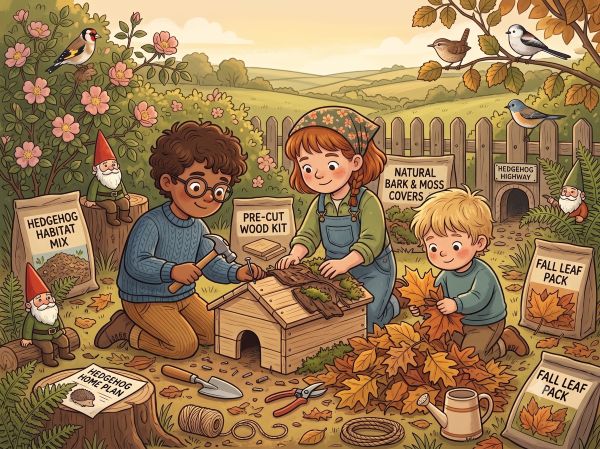
October: Building Hedgehog Homes (Sonic the Hedgehog style!)
The Activity: Build a sturdy wooden hedgehog house or create a natural shelter using logs, twigs, and dry leaves in a quiet corner of the garden.
Why October? British hedgehogs are actively feeding and looking for safe, dry places to hibernate for the winter. Setting this up in October gives them a perfect home just before they turn in for the cold months.
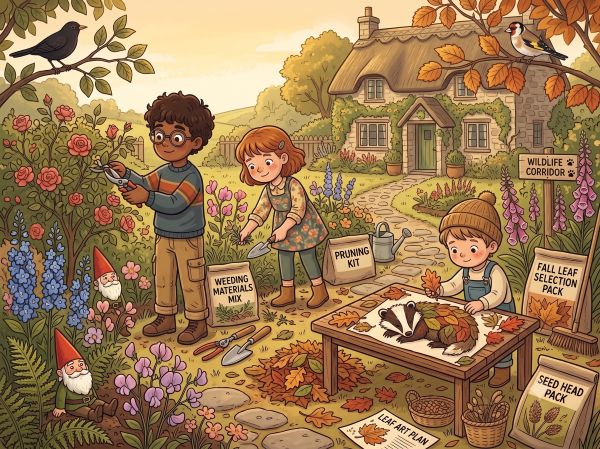
November: General Garden Maintenance & Leaf Art
The Activity: Gathering autumn leaves to make “leaf mould” (mulch), cleaning up dead plants, and using the brightest fallen leaves to make nature collages.
Why November? The trees are bare, and the garden needs clearing. Turning chore-like maintenance into a game of collecting the biggest or most colourful leaves keeps children moving and warm in the autumn crispness.
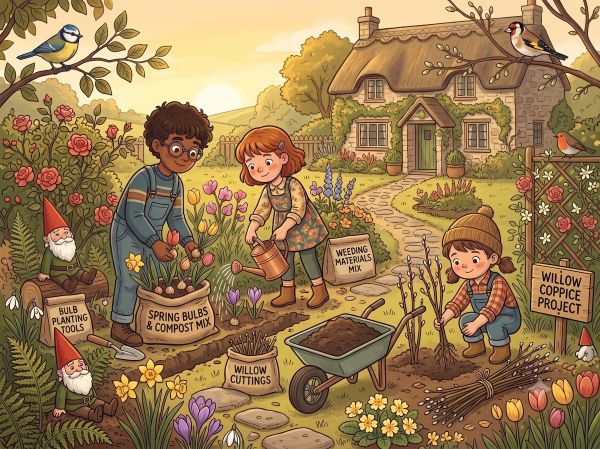
December: Planting Spring Bulbs & Creating Willow Structures
The Activity: An addition to your list: Plant daffodil, tulip, and allium bulbs into the cold ground, or plant living willow stems to weave a winter garden crown.
Why December? Planting bulbs in the dark of December teaches kids a beautiful lesson in patience. They bury something that looks completely dead, knowing it will be the very first splash of colour to greet them in the spring.
💡 Quick Tips for Gardening with Kids in the UK
Manage the Mud: Invest in a good pair of wellies and puddle suits—especially for the autumn and winter activities.
Manage Expectations: Choose varieties labeled “quick growing” or “dwarf” when dealing with seeds so children don’t lose interest during the waiting phases.
Build a pond
Entertain, learn, enjoy
Entertain and Learn – Building a pond is a great way of attracting new and interesting wildlife to your garden. The journey to building the pond and then spectating the animals and plants that grow can entertain for hours.
Support and protect – Ponds take in carbon from the atmosphere and support more life than an environment with no pond. You unlock an entirely new spectrum of nature creating balance and supporting local wildlife in your garden.
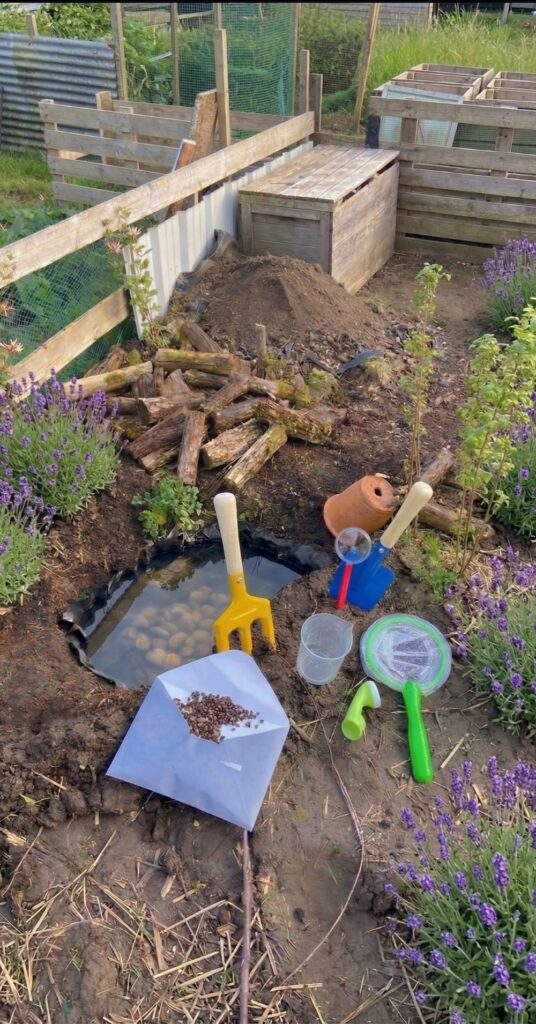
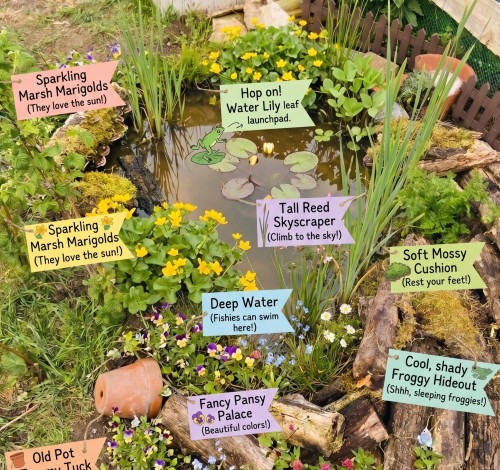
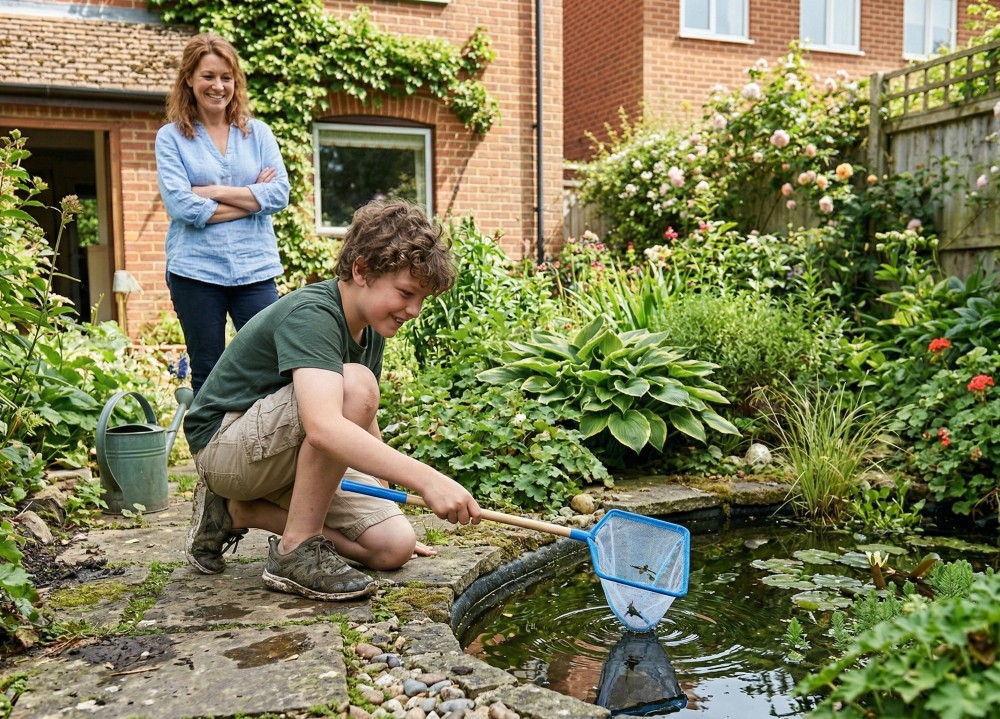
A small garden pond is a “mini-ecosystem”. For local wildlife, it provides a vital hydration station and a breeding ground for dragonflies, frogs, and newts, significantly boosting urban biodiversity.
For children, it’s a living laboratory. It offers screen-free entertainment through:
Life-cycle observation: Watching tadpoles transform into frogs.
Scientific discovery: Identifying aquatic insects and microscopic life.
Responsibility: Learning to maintain a delicate natural balance.
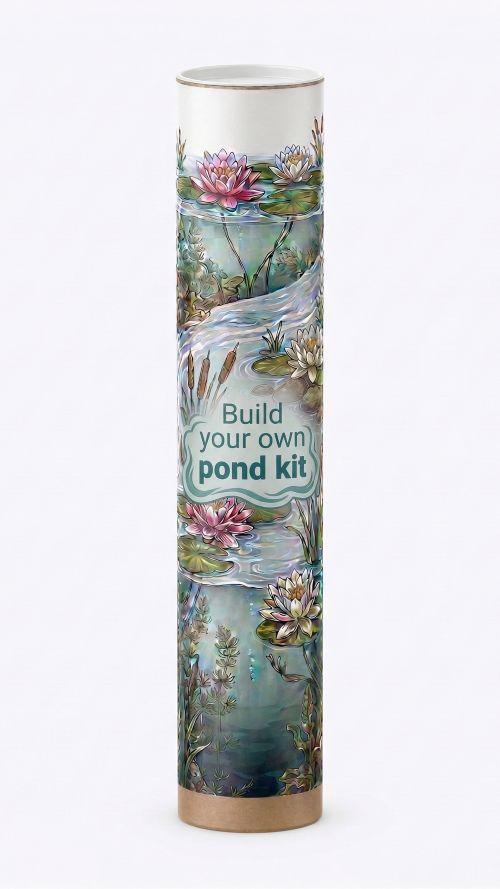
“Pond in a tube”
On a mission to entertain and educate through nature.
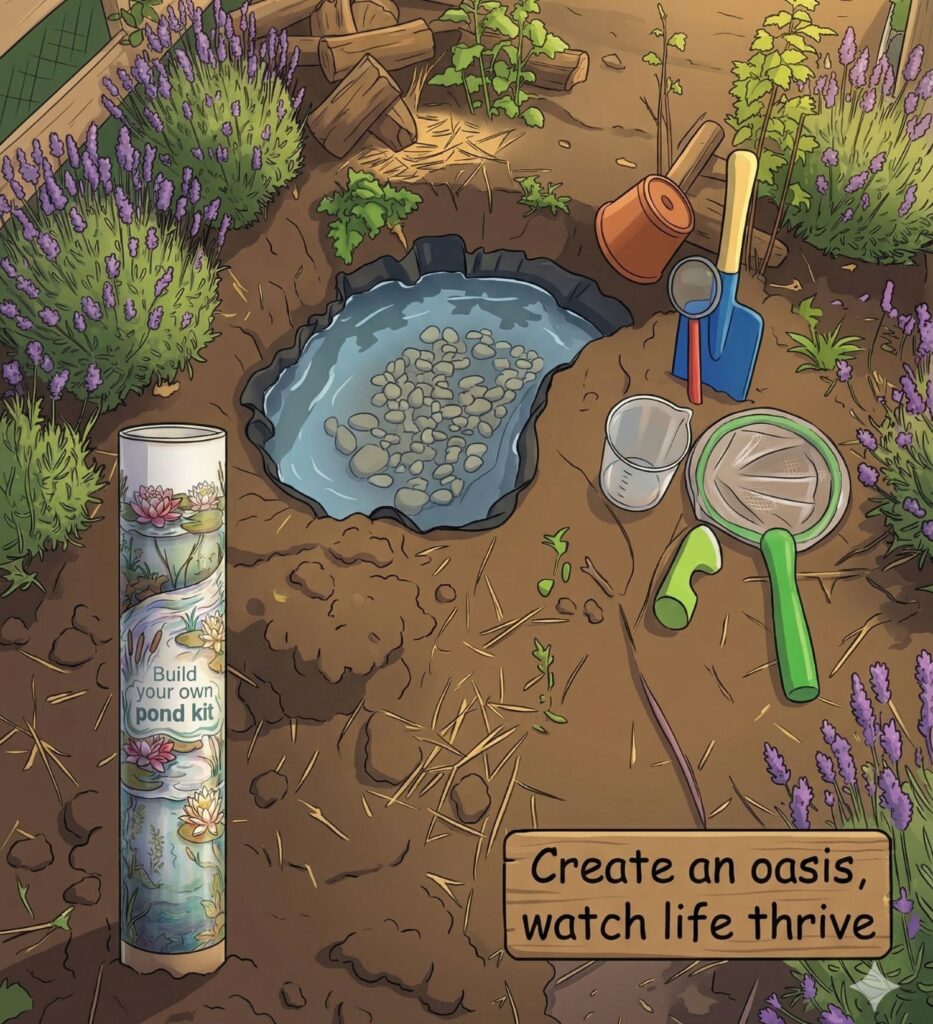
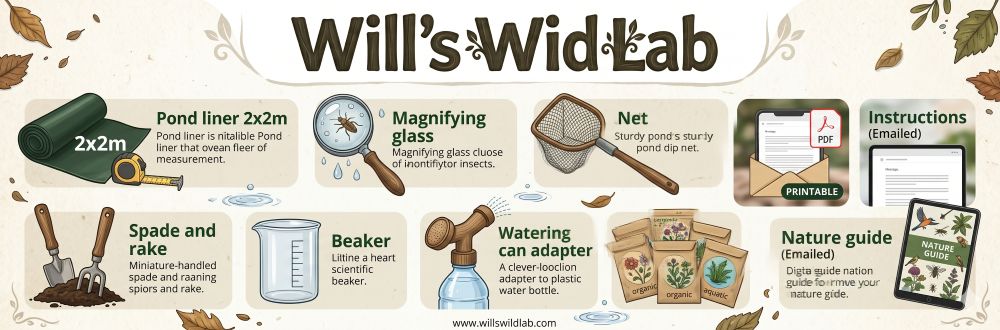
Our pond kits contains everything required to build, learn from and maintain a healthy pond ecosystem.
A new pond in: Warwickshire
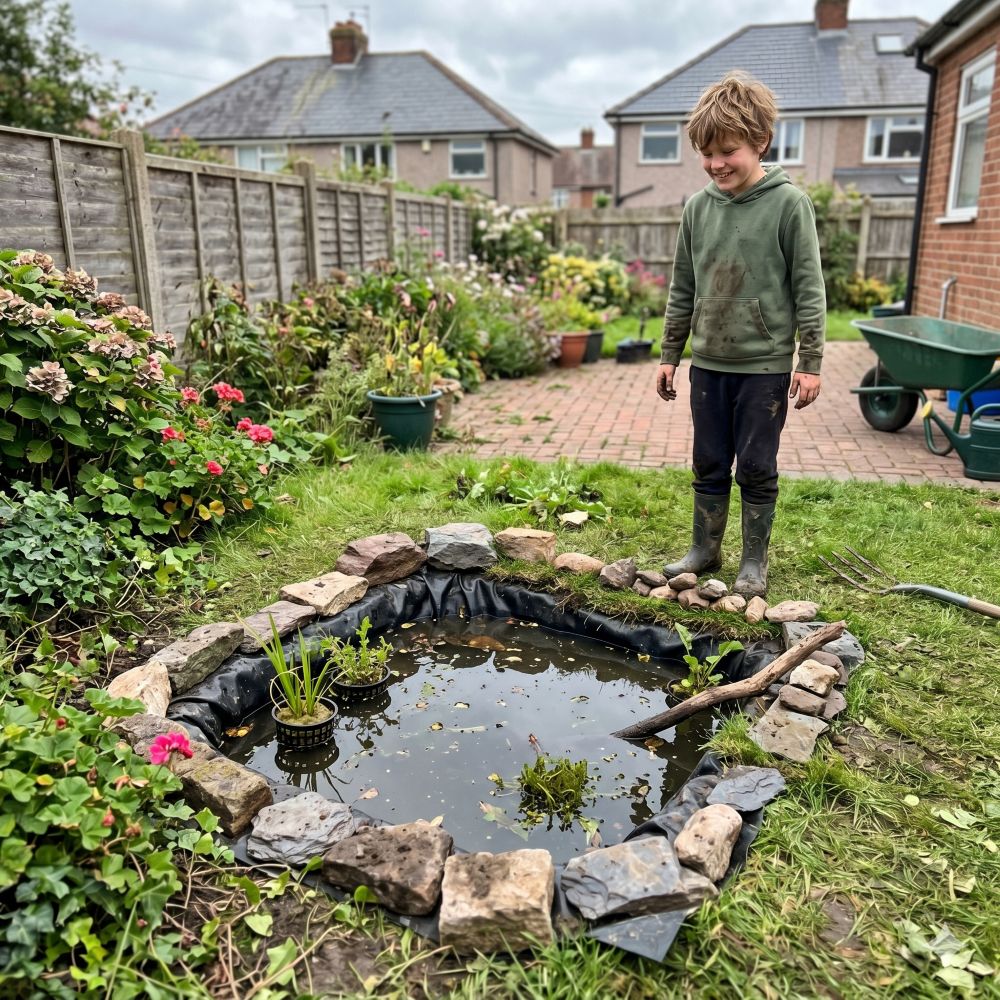
A new pond in: Stratford Upon Avon
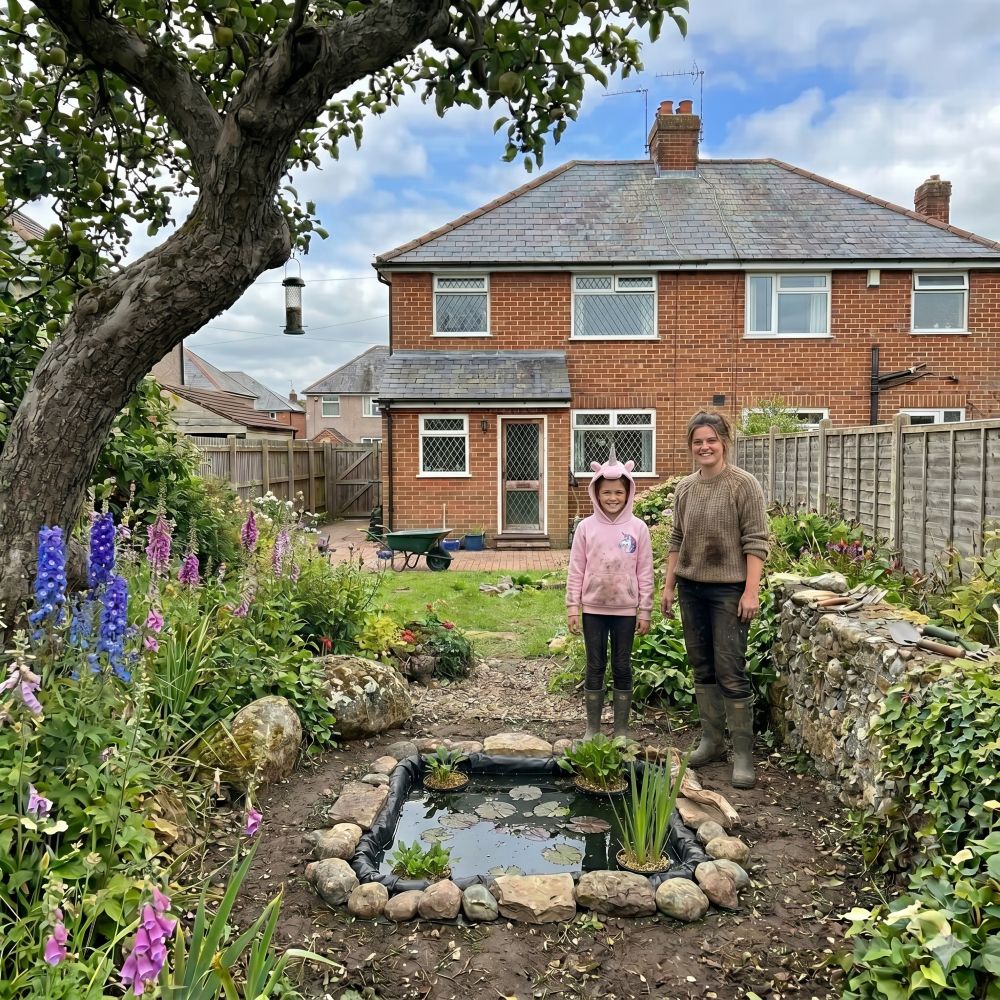
A new pond in: Leamington Spa
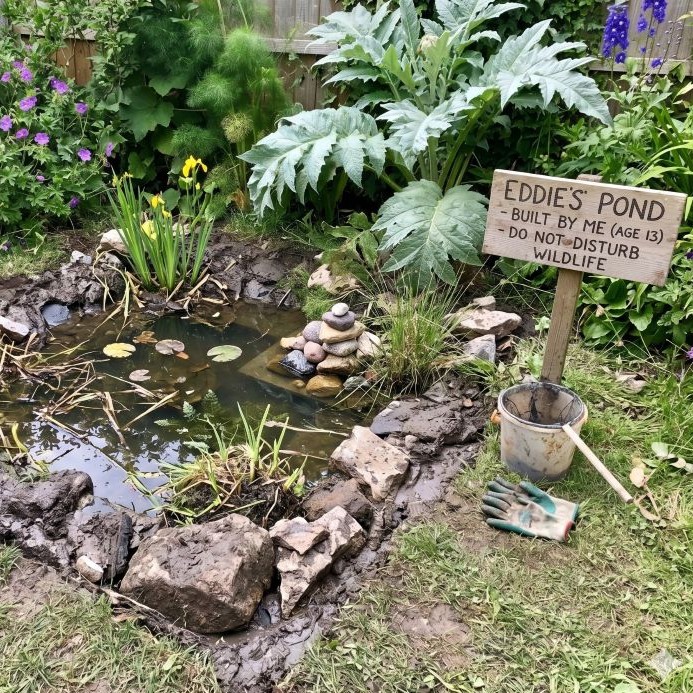
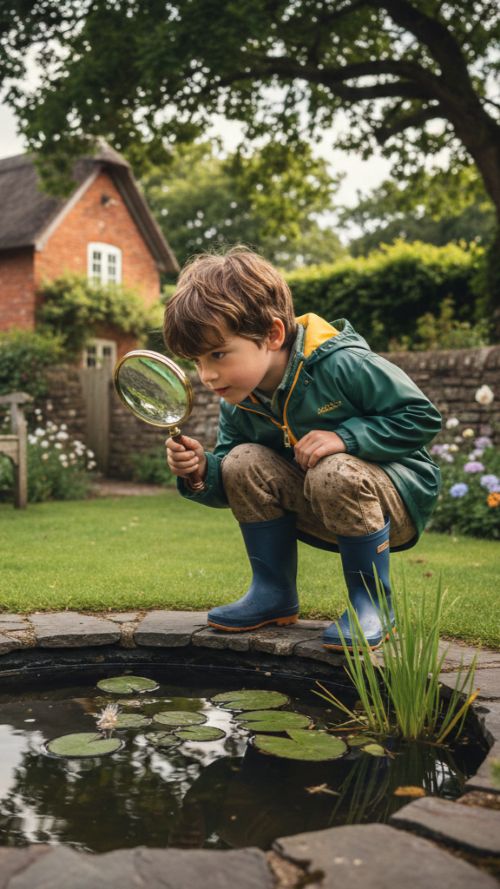
Further details about our ponds
- Our pond kits are design to be used by children ages 4 to 12 years old.
- It will take approximately 2 – 12 hours to build (depending on how it’s built)
- A 1x1m pond can offset up to 1000g of carbon a year
- It will take multiple week for life to arrive naturally at your pond – Be patient.
- Your pond will make a positive impact to your local natural environment by enhancing the local food chain.
- We estimate that our pond kits can support at least 4 frogs if built using pond our guidelines.
Reasons Building a Pond Can be Great Sources of Entertainment
Enhanced Mental Health and Sensory Well-being
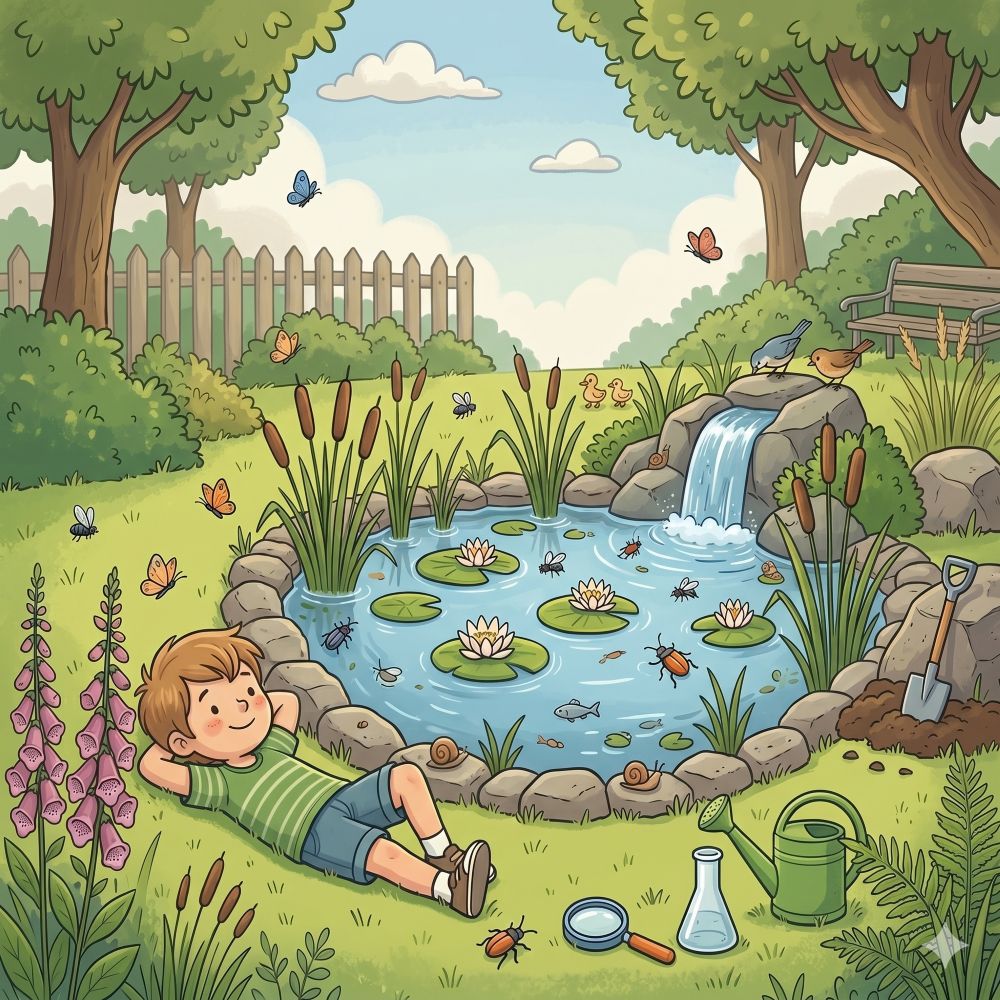
A garden pond acts as a natural “calm zone” for a developing child. The gentle sound of water, the shimmer of reflections, and the slow movement of snails or plants offer a powerful form of sensory regulation. Spending time by the pond reduces cortisol levels (stress), increases attention spans, and provides a peaceful, screen-free space for mindfulness. It teaches children the art of quiet, patient observation—a wonderful antidote to the fast-paced digital world.
A Front-Row Seat to the Food Chain & Ecosystems
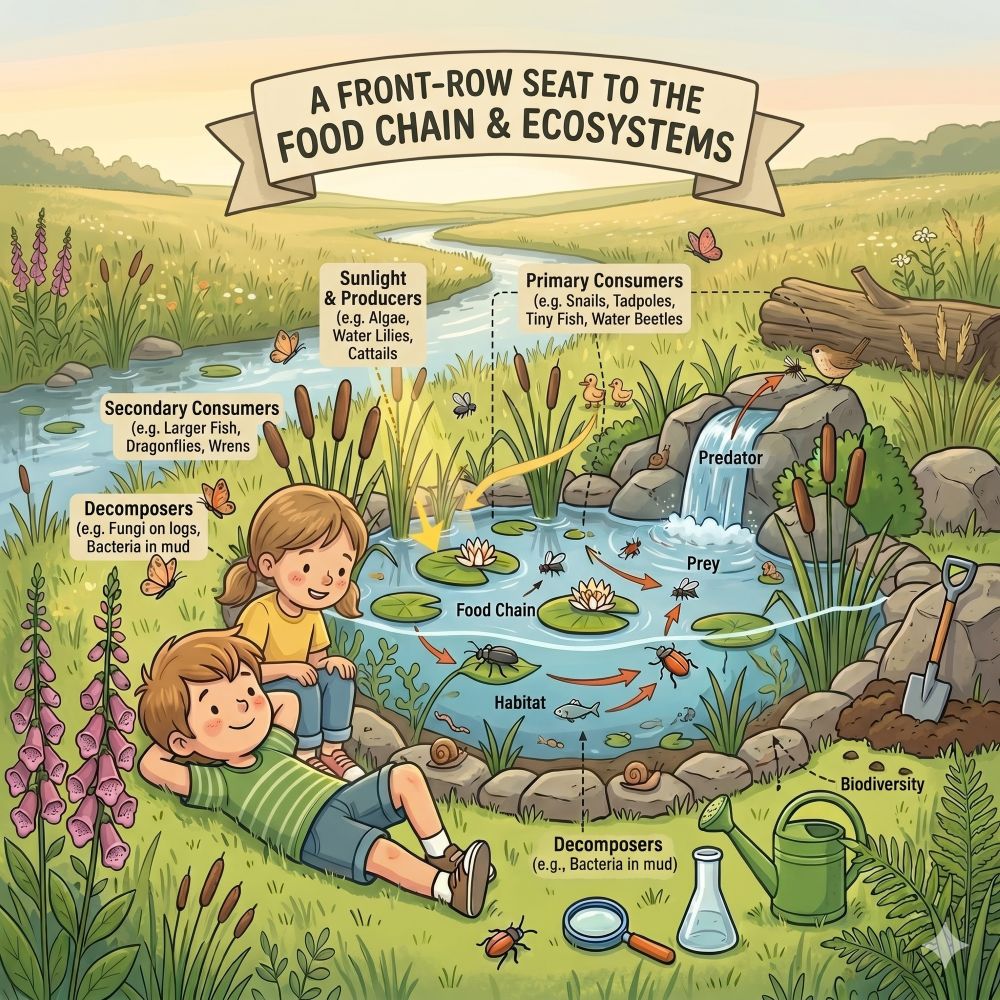
A 1x1m pond is a perfect, bite-sized microcosm of the natural world. Your child will get a first hand look at the interconnectedness of the food chain:
The Producers: Algae and native pond plants (like hornwort) harness sunlight.
The Herbivores & Detritivores: Tadpoles and pond snails eat the algae and decaying matter, keeping the water clear.
The Predators: Dragonflies, damselfly larvae, and diving beetles move in to hunt smaller insects.The Visitors: Birds arrive to drink and bathe, while frogs and hedgehogs visit to feed on slugs and snails in the surrounding bog area.
This introduces complex ecological concepts like biodiversity, life cycles (egg to tadpole to frog), and natural pest control in a tangible way.
Screen-Free Quality Time and Teamwork
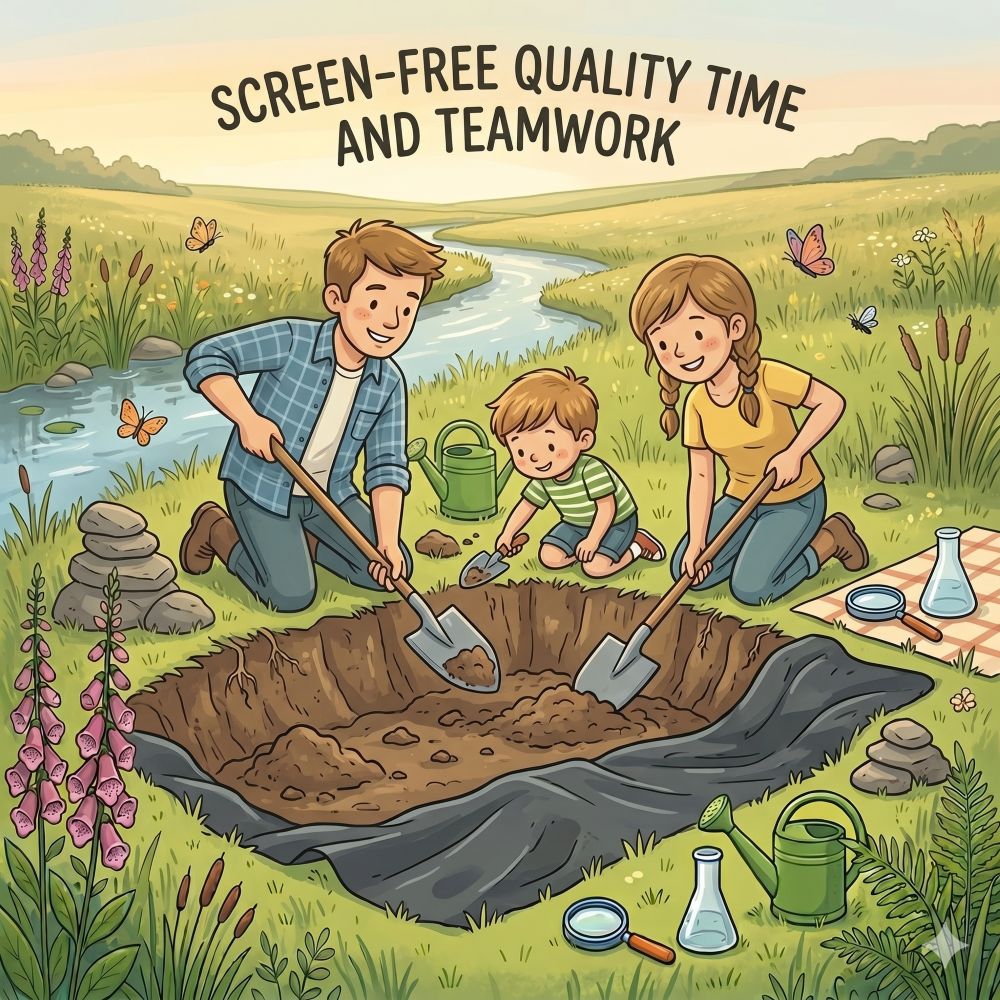
The process of planning, digging, lining, and planting the pond is a brilliant bonding experience. Working together on a shared physical project builds cooperation, communication, and trust between you and your child. Long after the mud is washed off, your child will look at the thriving pond and remember the shared effort it took to create it. It gives them a lasting sense of pride and shared ownership over a piece of the earth.
Interactive, Hands-On Learning Opportunities
A garden pond turns your outdoor space into a living laboratory. It offers endless, multi-disciplinary learning:
Biology: Tracking the metamorphosis of amphibians or identifying different macroinvertebrates using a dipping net.
Physics & Chemistry: Understanding water levels, evaporation, and testing water quality or pH.
Responsibility: Learning to safely manage a habitat, such as clearing autumn leaves or carefully topping up water using a watering can filled with stored rainwater.

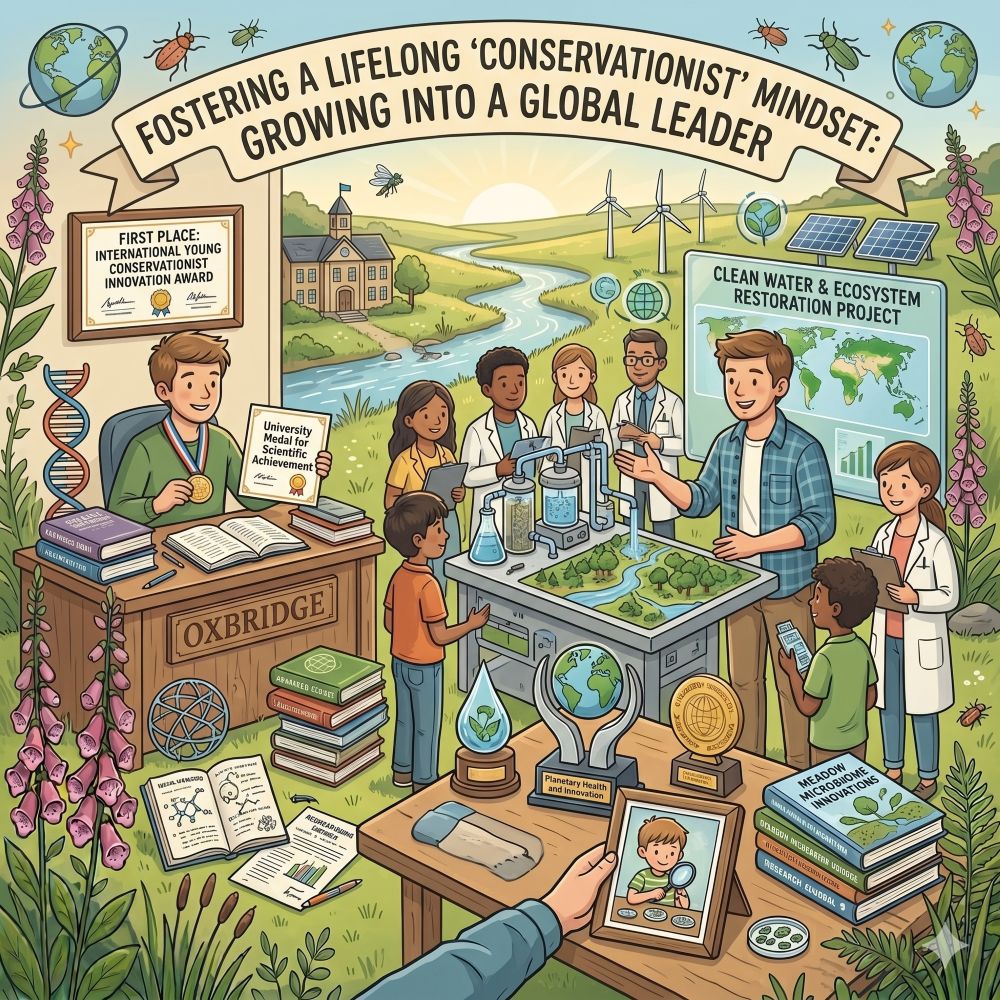
Fostering a Lifelong “Conservationist” Mindset
When a child is given the agency to create a home for wildlife, it fosters deep empathy and environmental stewardship. Watching a frog choose their pond to live in makes the climate and biodiversity crisis personal rather than abstract. By nurturing a tiny 1x1m space, children learn that their actions have a direct, positive impact on the planet, shaping them into conscious, empathetic caretakers of the environment as they grow.
Pond FAQ’s
We all have questions…it’s natural.
Safety is our top priority! Our pond kits for children are designed with features that make them safer than traditional deep ponds. The included rigid liners can be built to have shallow margins, and the kit is engineered to build a small, manageable ecosystem where the deepest point is well-contained. When combined with adult supervision and common-sense placement, a kid’s pond can be a safe and incredible learning resource. Consider a pond cover if your are concerned.
Mosquitoes are attracted to stagnant water. Our pond kits are designed to create a thriving, living ecosystem. Active, healthy water filled with natural predators like water beetles (as seen in our diagram) and microorganisms will keep mosquito larvae from ever developing. The kit includes everything needed to establish balance, effectively preventing mosquito breeding. . The most effective methods include adding aeration or a fountain to keep water moving, introducing mosquito-eating fish, using biological larvicides like Mosquito Dunks, and encouraging natural predators like dragonflies
Not at all! This is a “DIY (Do It Yourself)” project meant for families. You don’t need any professional landscapers. A single adult, working with the help of a child, can install our compact pond kit 1x1m in a weekend using basic tools. It’s perfect for small gardens and patios areas. All you will really need is a small spade minimum!
Nice to have items:
A pickaxe (Adults only)
Our child’s pond kit is designed to build a self-sustaining ecosystem that minimizes maintenance. Once established, it requires far less work than a sterile, chemically treated water feature. Your main tasks will be occasionally cleaning a pump pre-filter (if used) or carefully topping up water levels (as pictured with the watering can). It’s a low-maintenance, high-educational-value project.
The pond itself is just the beginning! A child’s pond offers endless, ongoing learning opportunities. Your children can use the included tools to:
Safely collect samples: As shown in our graphic, using a dipping net to catch tadpoles, beetles, and small fish.
Observe microscopic life: Using the beaker to study water microorganisms under a microscope.
Track metamorphosis: Watching a tadpole develop legs and turn into a frog.
Become a scientist: Using the watering can to manage the water cycle and plant life (foxgloves, water lilies).
It transforms your garden into a hands-on, outdoor biology lab! (Include photos of kids using the tools).
The 3 Main Projects
There are multiple outdoor project ideas to entertain you child outdoors, however, we believe the below are the most durable projects.
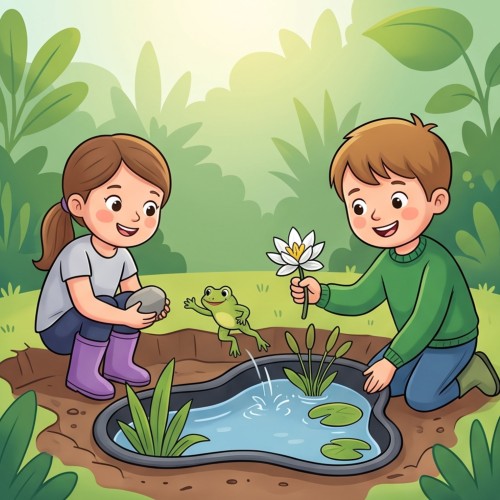
Building a Pond Area
Spark your child’s love for nature with our build-your-own pond kit for kids. This durable, easy-to-install kit offers hours of entertaining outdoor fun, keeping children active away from screens. It’s a fantastic educational opportunity to teach them about life cycles and British wildlife first-hand. Create a thriving backyard ecosystem and inspire the next generation of young scientists today!
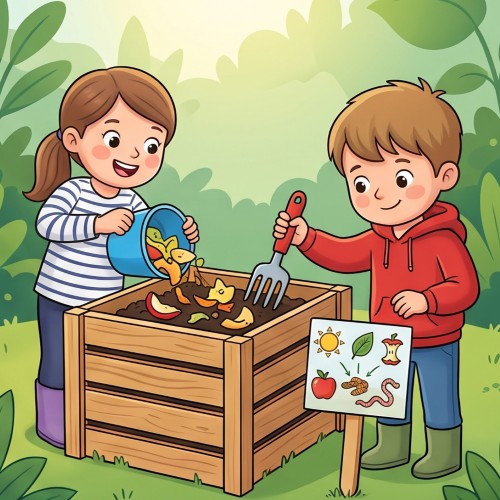
Creating Compost
Turn kitchen scraps into garden gold with our build-your-own compost kit for kids! This durable, kid-friendly kit provides hours of entertaining, messy fun outdoors. It offers incredible educational opportunities, teaching children about recycling, soil science, and bugs first-hand. Perfect for young eco-warriors, this hands-on project makes learning about sustainability an exciting backyard adventure!
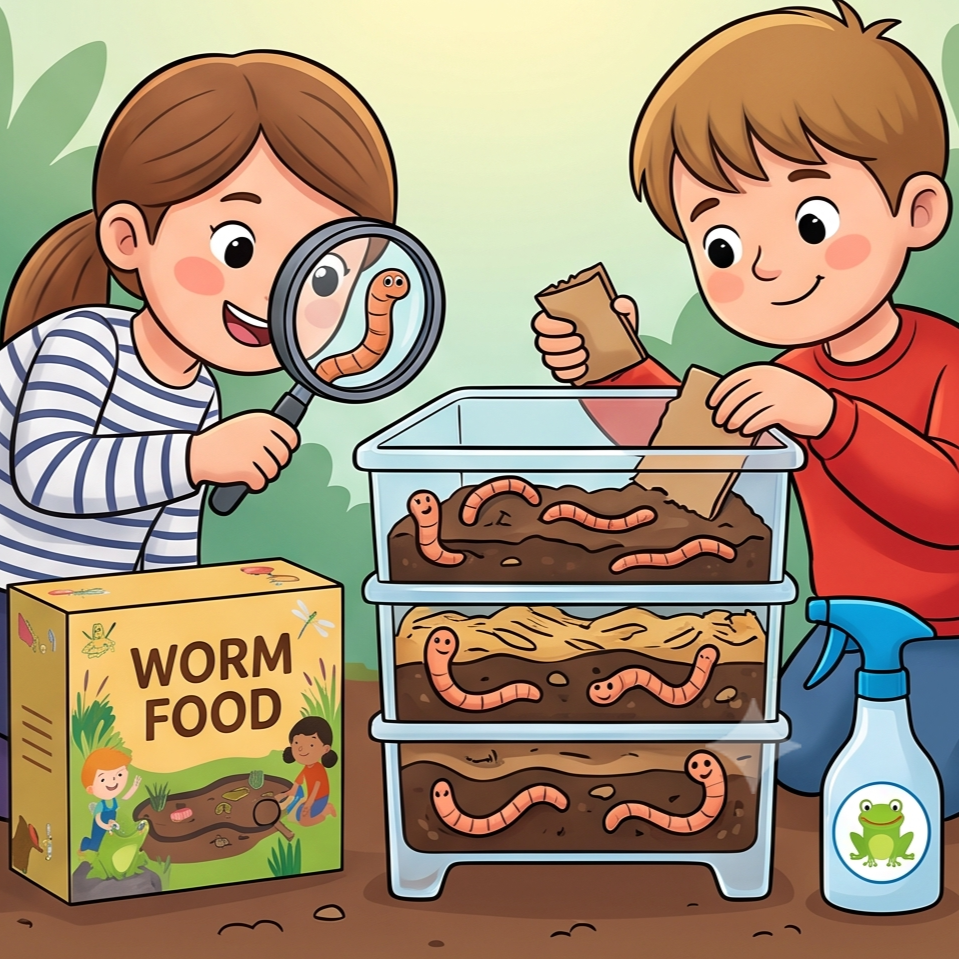
Building and Maintaining A Worm Farm
Bring science to life with our build-your-own worm farm kit for kids! Crafted from durable, kid-safe materials, this hands-on project offers endless entertaining fun as children watch their wriggly pets recycle kitchen waste. It provides brilliant educational opportunities to teach recycling, soil health, and biology first-hand. Inspire your young eco-explorer with this exciting backyard ecosystem today!
A tech focused approach
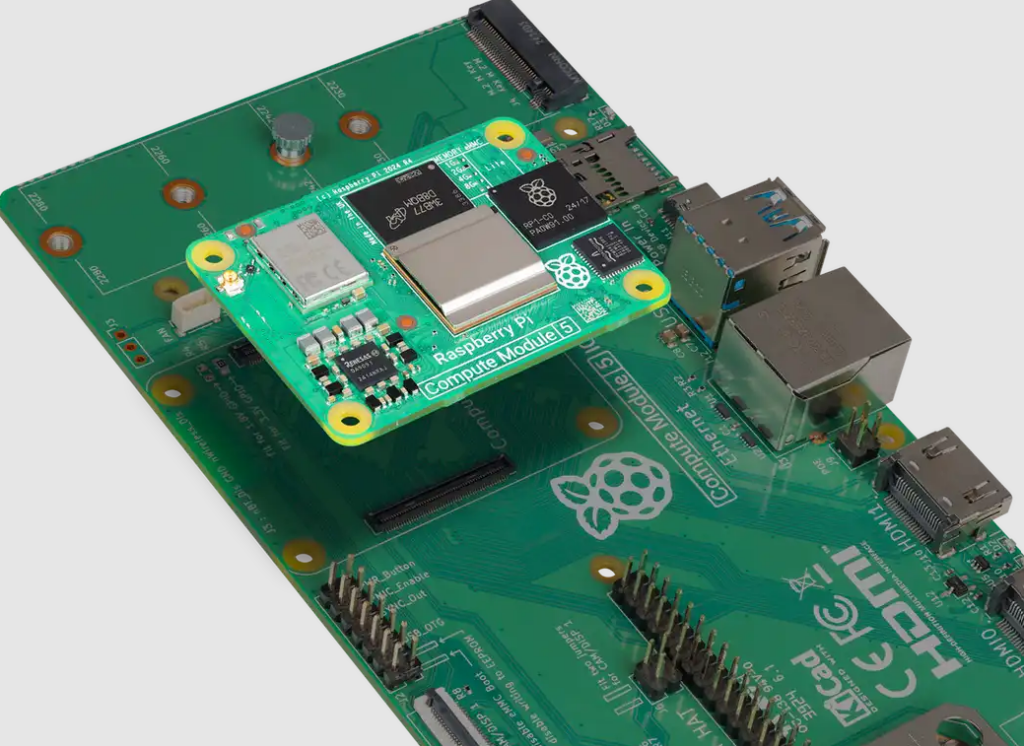
Configure a Raspberry Pi computer to monitor and track nature. This means you can track nature improving as you build projects.
10 + Projects to be Unlocked!
Why Parents Love this Present
The Ultimate Screen-Time Antidote, Stealth STEM Learning, Physical Development & Core Motor Skills, A Masterclass in Patience & Delayed Gratification, Nurturing Responsibility & Environmental Empathy.

Screen-Free Guarantee:
Hours of physical activity (digging, splashing, engineering).

Zero Waste, Maximum Fun:
The Soil: Shifted to create a brand-new vegetable patch or nature area.
The Hole: Becomes a thriving wildlife pond.
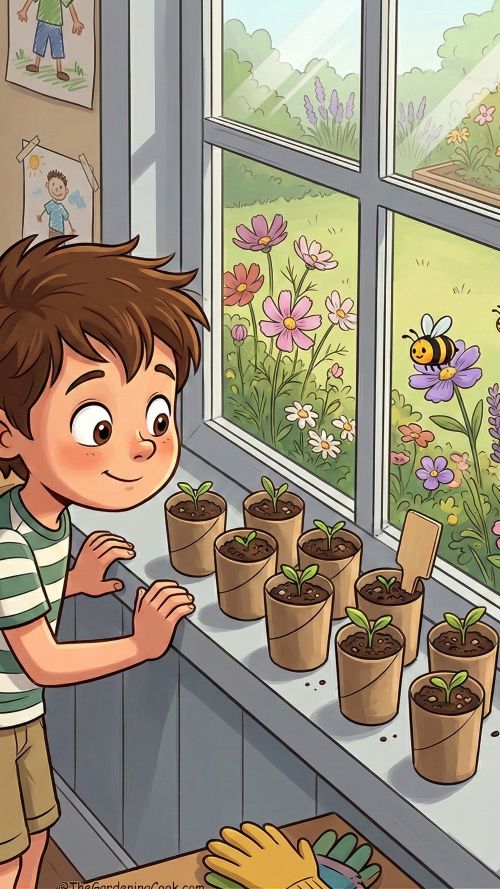
The Packaging: Upcycled into starter plant pots.
