
How to use extra soil from your pond hole
During the excavation phase of digging your pond hole you will remove around 1.03 cubic meters of soil which is around 1.2 – 1.3 tonnes. That’s around 14 to 16 wheelbarrow loads or you are looking at roughly 73 to 75 bucket loads. This assumes a 65cm deep spot in the middle at a 30 degree angle. This would make 2.25m diameter hole.
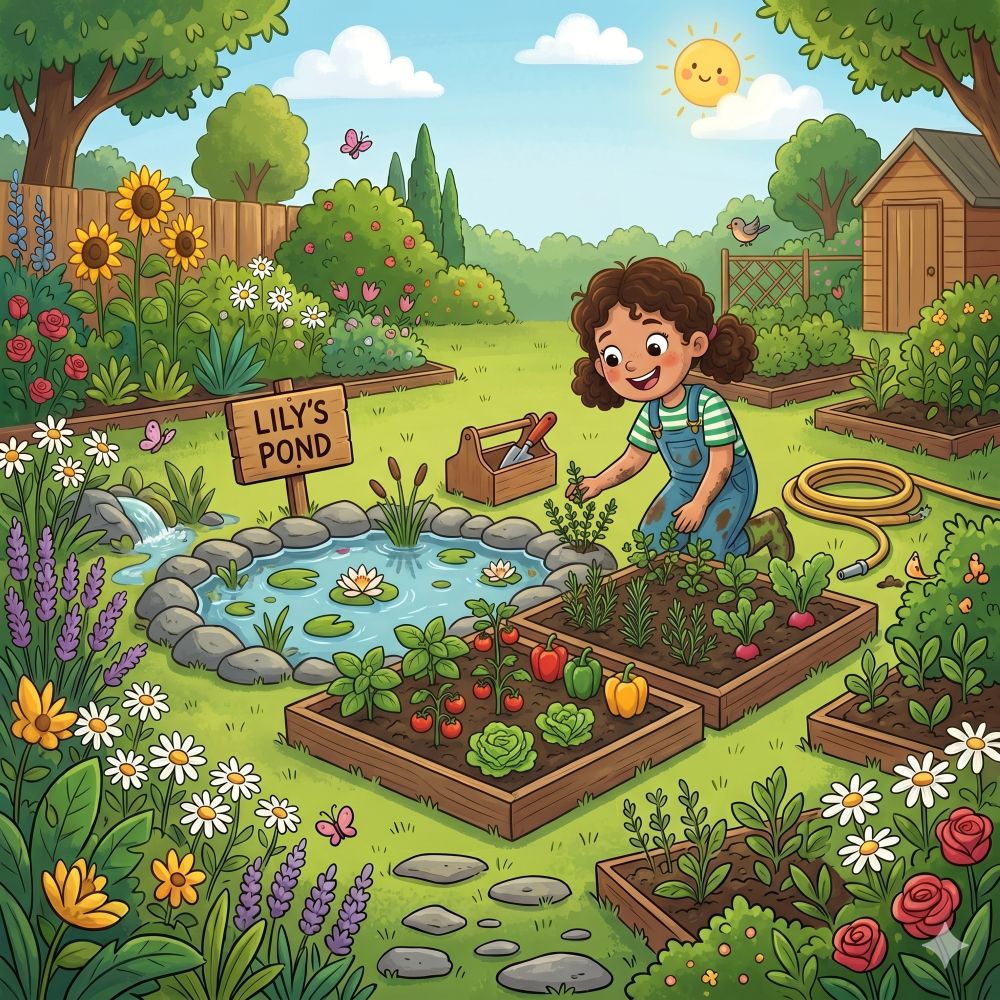
Create a Vegetable or Herb Garden
You don’t already have a worm compost bin, this is your universe telling you to start one!
Purchase Vegetable Raised Bed Here
Pick a sunny spot for your new kitchen garden that gets at least 6 hours of sunlight a day.
Buy Vegetable Seeds
Construct a simple wooden raised bed frame (or use bricks/logs). A great size for this amount of soil is 3m long x 1.5m wide x 30cm deep.
The No-Dig Foundation: Line the bottom of the empty bed with 2-3 layers of thick, plain brown cardboard (remove any plastic tape). Wet it down thoroughly with a hose. This smothers existing weeds and grass while attracting earthworms.
Other ideas for using your topsoil
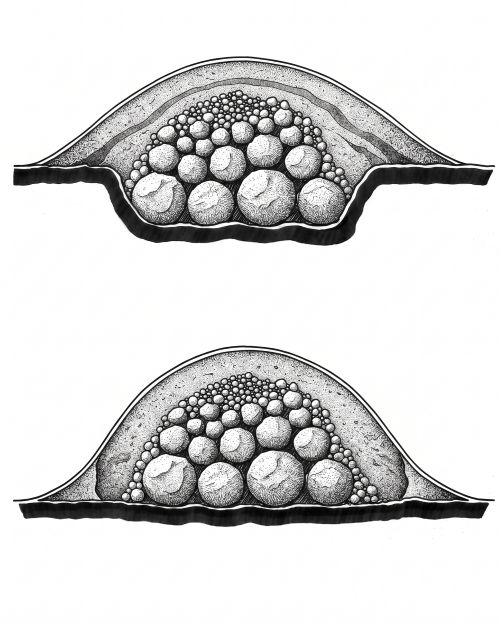
Make a Raised Planting Bed
Also called a Hügelkultur which is a German word.
It creates a thriving underground ecosystem. By burying decaying wood under your soil, you kickstart a massive fungal and insect network that feeds the entire food chain
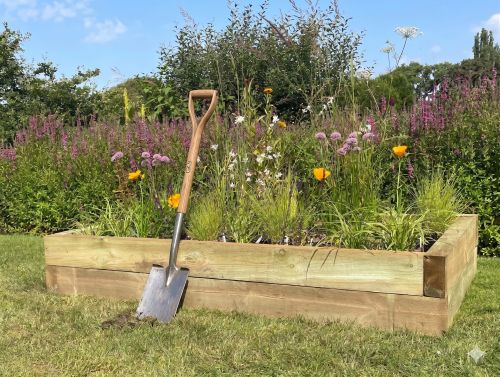
Create a raised flower meadow
Use the soil from your pond dig out to build a raised flower meadow near the pond. You are then creating two ecosystems from one digging sesh!
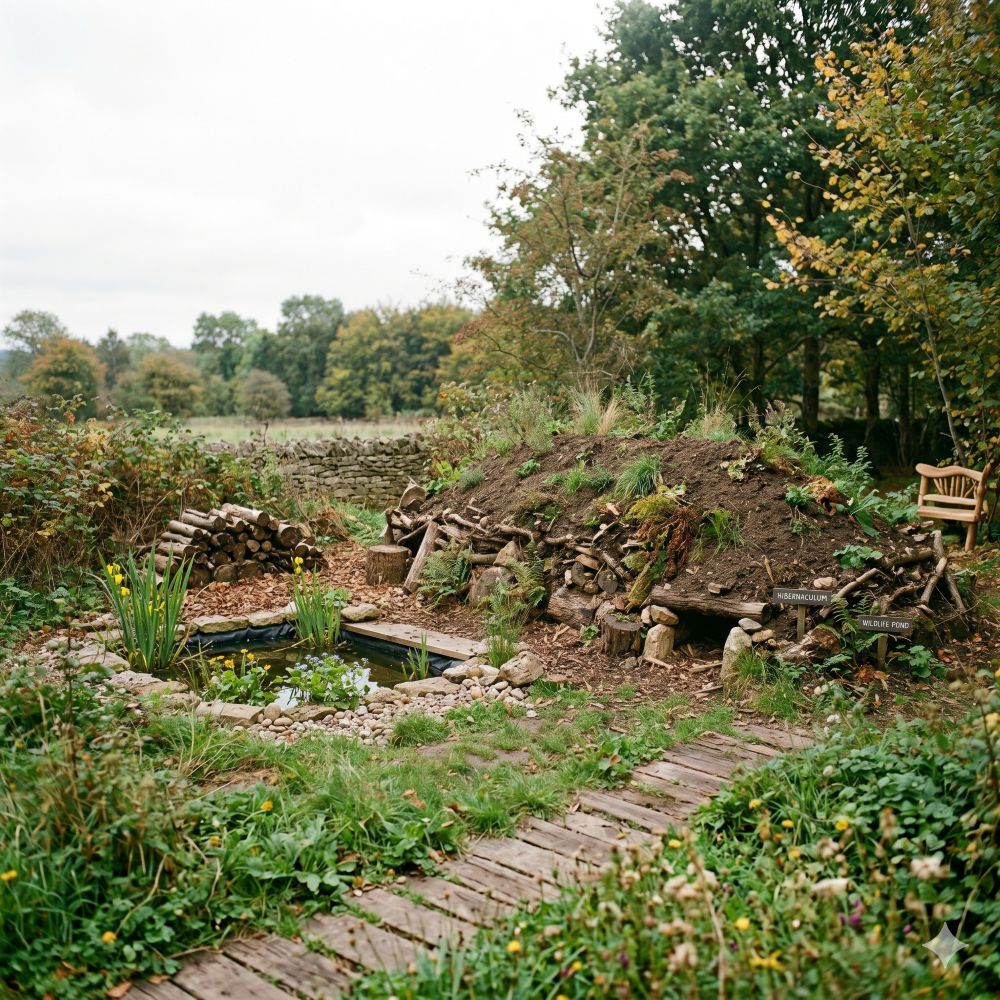
Create a place for hibernation
These are called Hibernaculums. Make a pile of old sticks, tires, old cupboards, bottles, timber, plant pots etc. Cover these in the soil you now have from digging your pond hole.
What to do with any worms you find?
You don’t already have a worm compost bin, this is your universe telling you to start one!
Seed a Brand New “Vermicompost” (Wormery) System
How to do it: Take a sturdy plastic bin with air holes, line the bottom with damp, shredded newspaper, and add a few handfuls of the worms you find. Feed them your kitchen scraps (vegetable peelings, coffee grounds).
The Biodiversity Boost: Within a few months, these worms will multiply and process your food waste into “black gold”—castings that are packed with beneficial microbes, fungi, and nutrients. Adding this compost to your garden beds drastically improves soil microbiology, creating a thriving underground ecosystem.
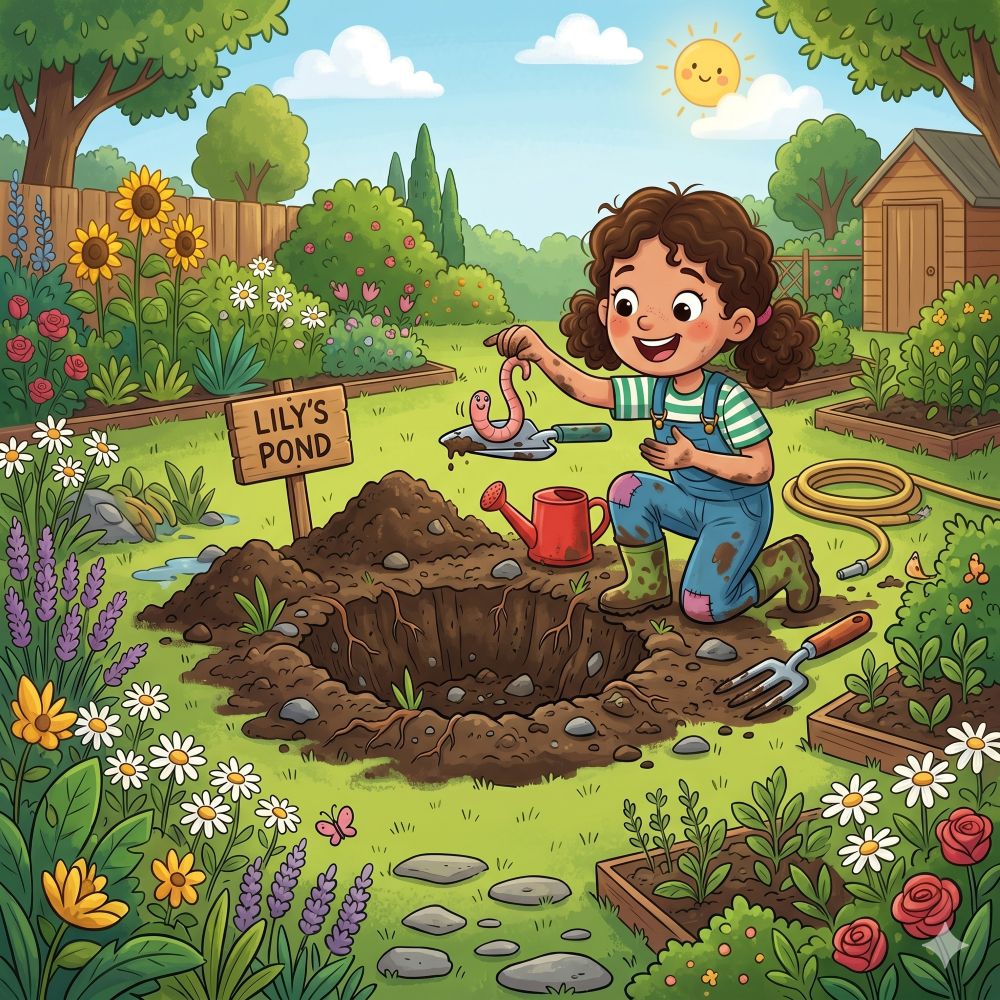
Other Uses for Worms Found During the Pond Dig
Don’t waste the worms!

Supercharge a New “Hügelkultur” or Raised Bed
If you use the excavated soil to build one of the raised beds or wood mounds we talked about earlier, you are going to need a “cleanup crew” to jumpstart the decomposition process.
How to do it: As you build your mound or raised bed—layering logs, sticks, leaves, and soil—introduce your bucket of worms directly into the middle layers.
The Biodiversity Boost: The worms will immediately go to work digesting the decaying organic matter and tunneling through the dense excavated soil. Their tunnels create channels for oxygen and water to reach plant roots, preventing the new mound from becoming a stagnant, anaerobic pile of dirt.
Create an Instant Feast for Local Wildlife
Digging a hole is like ringing a dinner bell for local birds and amphibians. You can use your worm bounty to directly support vulnerable local wildlife.
How to do it: Keep a bucket next to you while digging to collect the worms so they don’t get crushed. Place a shallow dish of worms near a hedge or under a bush.
The Biodiversity Boost: This provides an easy, high-protein meal for nesting birds (like Thrushes, Blackbirds, and Robins) who are working tirelessly to feed their chicks at this time of year. If you leave the dish out at dusk, you might even give a passing Hedgehog a massive energy boost.
Boost the Soil Health of an Existing Lawn or “No-Mow” Zone
If you have an area of your garden where the soil is compacted, hard, or lacks life (like a high-traffic lawn), these worms are the ultimate free aeration service.
How to do it: Release the worms into an area of the garden you want to improve, preferably on a damp evening or right before it rains so they can burrow down safely without being spotted by birds.
The Biodiversity Boost: Earthworms naturally break up compacted soil. By moving them to a struggling area, they will naturally aerate the dirt, improve water drainage, and pull organic matter down from the surface, creating a healthier environment for diverse grass and clover species to grow.
Kickstart the Eco-System of your New Pond Margin
Even if you are lining your new hole to make a pond, the immediate edges (the damp soil zone or marshy berm right around the water) will need to be biologically active.
How to do it: Once your pond liner is in and you have packed the excavated soil around the edges to create a boggy margin, release a large portion of the worms directly into this damp mud.
The Biodiversity Boost: Earthworms love moisture. By populating the pond’s damp borders, they will help establish the root systems of your new aquatic plants. Furthermore, frogs, toads, and newts that are drawn to your new pond will find an immediate, abundant food source waiting for them right on the shoreline.
Dealing with different ground
Every location will have different top soil characteristics. Below are some ways of dealing with them.
If you come across clay.
If you are building a wildlife pond in that hole, heavy clay is perfect. Pack a thick layer of the excavated clay around the base, perimeter and sides of the hole before laying down your underlay. It creates a smooth, sharp-rock-free buffer that prevents punctures and a less permeable seal.
Should you be digging near a tree.
The Victorian Stumpery: A stumpery is the shady cousin of a rockery. Arrange the excavated chunks of tree roots, stumps, and thick woody pieces in a shady, damp corner of your garden. Pack some of the loose soil around their bases to anchor them. Plant shade-loving ferns, hostas, and wild primroses around them
The Wildlife Payoff: Dead and decaying wood is the single most missing habitat in modern gardens. It will quickly be colonized by stag beetle larvae, fungi, mosses, and woodlice, which in turn will draw in insect-eating birds like wrens and thrushes.
If you hit Flint, Limestone, or Rocks
Pile the loose soil into a mound and wedge the excavated rocks vertically into the soil, close together, to mimic a natural mountain cliff face. Plant drought-tolerant alpines, sedums, and thyme in the narrow gaps between the stones.
The rocks absorb heat from the sun during the day and radiate it at night. This creates a warm microclimate that basking insects (like butterflies and ladybirds) love, while the cool, damp gaps underneath provide a safe haven for centipedes and spiders.
If it’s mostly top soil?
The Project: Instead of just dumping it on the ground (which will encourage buried weed seeds to explode into growth), lay down 2–3 layers of thick, plain brown cardboard over a patch of grass or weeds. Dump your topsoil directly on top of the cardboard to a depth of about 15–20 cm.The
Wildlife Payoff: The cardboard smothers the weeds and rots down naturally, while earthworms flock to the area to break it down, turning your new soil mound into a highly fertile, biologically active vegetable or fruit bed without disturbing the existing soil structure.
If you come across chalk
Don’t try to amend it with compost! Pile the chalky soil up in a sunny spot. Buy a specialized “chalk soils” native wildflower seed mix (containing plants like Kidney Vetch, Wild Marjoram, Salad Burnet, and Scabious
If you come across Silt
How to use it: Use this soil to fill a shallow depression or a wide border positioned at the lowest point of your garden (where rainwater naturally flows). Plant it with native damp-grassland species like Ragged Robin, Meadowsweet, Snake’s Head Fritillary, and Cuckoo Flower.
The Biodiversity Boost: Orange-Tip Butterflies: Cuckoo flower is the primary food plant for Orange-tip butterfly caterpillars.
Soft Ground Foraging: The moisture-retentive silt stays soft even in summer, allowing birds like Blackbirds, Thrushes, and Robins to easily probe the dirt for worms and grubs to feed their chicks.