
Get the most out of your garden by focusing on your soil!
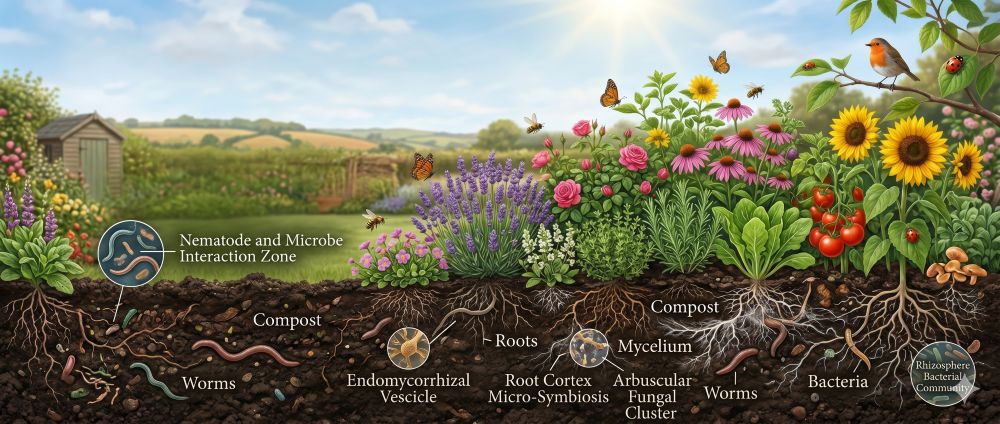
Think of soil not as dirt, but as a living, breathing digestive system. Healthy soil is packed with a complex web of organic matter, beneficial bacteria, and fungi.
This underground ecosystem is the literal foundation of your garden: it breaks down nutrients so plants can easily absorb them, retains moisture like a sponge to prevent drought stress, and builds a natural defense system against pests and diseases. When you feed and protect your soil, it does the heavy lifting for you—creating a vibrant, self-sustaining garden above ground. Healthy roots equal a healthy ecosystem.
The 3 main advantages to having quality top soil
This section briefly summarizes the core benefits and unique value of our products/services.
Superior Plant Health & Yields
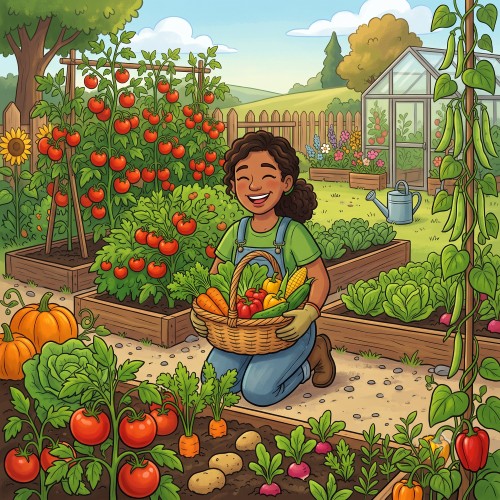
Healthy soil acts like a slow-release vitamin dispenser for plants. When soil is rich in organic matter, it doesn’t just hold onto nutrients like nitrogen, phosphorus, and potassium—it actively feeds the soil biology. Microbes then break these nutrients down into a form that plant roots can actually drink.
The Result: Plants grow faster, produce bigger harvests, and develop stronger natural immune systems to fight off pests and diseases without needing heavy chemical treatments.
Built-in Climate Resilience (Drought & Flood Protection)
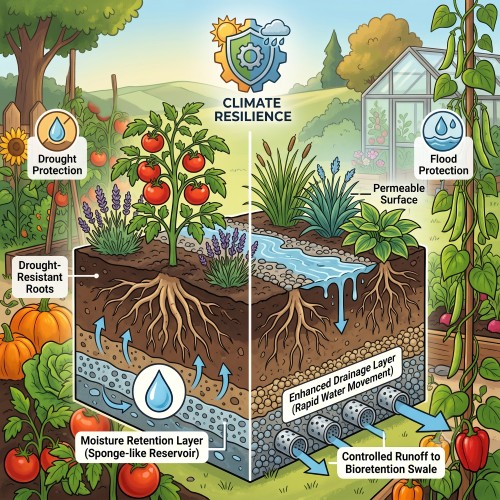
Good soil has a sponge-like texture. For every 1% increase in soil organic matter, the soil can hold roughly 20,000 gallons of water per acre.
In a Drought: High-quality soil retains moisture deep down, keeping plants alive long after poor, compacted soil has dried out and cracked.
In a Heavy Rain: Instead of water pooling on top or washing away your plants (erosion), well-structured soil has tiny air pockets that allow heavy rain to sink in smoothly, recharging the groundwater table.
Effortless Maintenance & Better Airflow
Poor soil gets compacted easily, suffocating plant roots and turning weeding into a back-breaking chore. Healthy soil maintains a loose, crumbly texture.
The Result: Roots can easily push deep into the ground to find resources. Even better, weeds are incredibly easy to pull out because the earth isn’t gripping them like concrete. It also drastically reduces the need for constant tilling, saving you time and physical labor.
Steps to improve the soil quality in your garden
Rooted in local communities, we bring projects to life. Our deep understanding of regional dynamics ensures each project resonates with the local vibe.

Start Creating Compost
Adding organic compost is the single best way to transform your garden soil. Compost acts as a natural soil conditioner, dramatically improving structure. In heavy clay soils, it breaks up compacted particles to improve drainage and aeration, preventing waterlogging. In loose, sandy soils, it behaves like a sponge, locking in vital moisture and stopping nutrients from washing away.

Build a Worm Farm
ntroducing a worm farm and its nutrient-dense castings works wonders for your soil quality. Often called “black gold,” worm castings are packed with highly concentrated, water-soluble nutrients that plants can absorb instantly. Unlike synthetic fertilisers, castings won’t burn delicate roots and provide a steady, long-term food source.

Build a Pond
While a garden pond doesn’t mix directly into your beds like compost, it profoundly improves surrounding soil quality by altering the local microclimate. A permanent water feature naturally raises ambient humidity and regulates nearby soil moisture through subsurface seepage. This prevents surrounding earth from drying out and cracking during hot British summers.
Leave a Reply